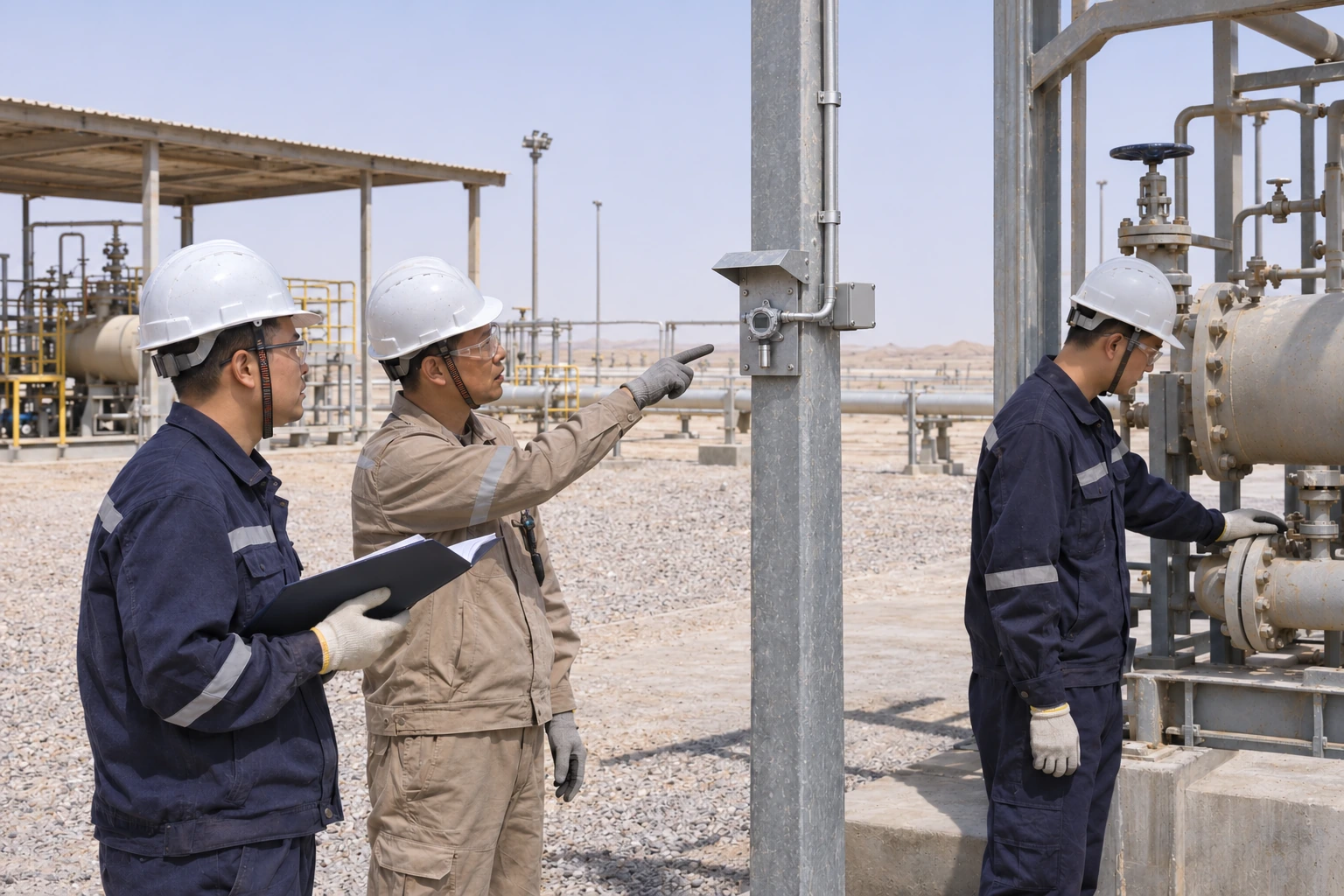
Choosing a multi gas portable detector starts with the hazards a field crew may encounter, not the number of readings on a screen. A single-gas instrument may be appropriate for a clearly defined monitoring task, while a multi-gas unit can be considered when several atmospheric hazards need attention. For industrial buyers in Europe and the Middle East, the practical decision also includes worker training, instrument upkeep, local service arrangements and the conditions under which crews actually work.
Start with the Task and the Hazard Assessment
Build the purchasing specification around a documented assessment of the work. Identify the substances present, how they could be released, and whether conditions can change during maintenance, cleaning or process interruption. Consider contractors as well as permanent staff: a crew moving between areas may encounter a different hazard profile from an operator assigned to one workstation.
A single-gas detector monitors one target gas or atmospheric parameter. It may be evaluated where the assessment establishes a specific monitoring requirement and addresses other foreseeable hazards separately. Its narrower scope can simplify the information presented to the wearer, but it does not establish that unmeasured hazards are absent.
A multi-gas instrument combines several measurement channels. This can be useful when a task requires simultaneous attention to oxygen conditions, combustible atmospheres and selected toxic gases. However, channel count alone says little about suitability. Buyers must confirm exactly what each installed sensor measures and whether the combination covers the assessed hazards.
For confined-space work, detector selection belongs within the site’s complete entry procedure. A portable monitor cannot replace isolation, ventilation, authorized entry arrangements or rescue planning. Purchasing decisions should be reviewed by the people responsible for those controls before an instrument becomes standard crew equipment.
Compare Sensor Coverage Before Comparing Features
Two instruments marketed as multi-gas detectors may contain different sensors and serve different tasks. Ask suppliers to identify the sensor configuration in the quotation, along with documented limitations, relevant interferences and maintenance requirements. Do not assume that a familiar housing or product family name means every supplied unit measures the same substances.
A useful comparison sheet lists each assessed hazard beside the proposed measurement channel. Any empty row needs a decision: select a different configuration, provide another appropriate measurement method, or revise the proposed work arrangements through the site’s safety process. Adding channels that do not address a real task can increase maintenance effort without resolving the missing coverage.
Measurement range, display units and alarm configuration should also match the intended task. Confirm these from the exact model documentation rather than a general brochure. Alarm settings require site-specific review against applicable requirements; copying settings from another facility may overlook differences in work practices or the substances involved.
Ask for evidence supporting use in the intended environment, including the relevant local requirements and environmental limits. A purchasing specification should distinguish required documentation from optional convenience features. Data logging, connectivity and docking can help manage a fleet, but they do not compensate for an unsuitable sensor configuration.
Match the Instrument to How Crews Work
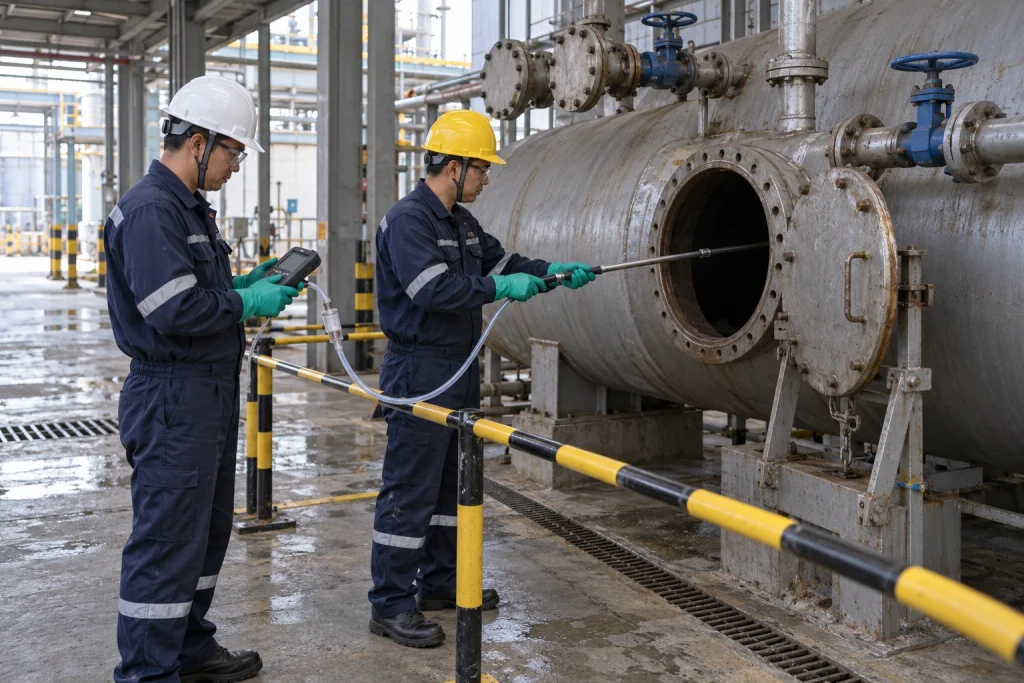
Personal monitoring and remote sampling place different demands on equipment. A diffusion instrument relies on surrounding gas reaching its sensors. A pumped sampling arrangement draws a sample through a sampling path and may be evaluated for checks from an accessible location. Confirm whether the proposed model supports the intended method and which accessories the manufacturer permits.
Sampling equipment introduces additional considerations. Tubing, filters and probes can affect sample delivery, and the required waiting time depends on the complete setup. Follow the manufacturer’s instructions for the target substance and sampling arrangement. A reading taken before an adequate sample reaches the sensors can be misleading.
Assess everyday handling with the actual users. Controls should be usable with required gloves, displays should be readable under expected lighting, and alarms should be evaluated against site noise and clothing. Carrying position matters too: the instrument must be worn as instructed, with sensor openings unobstructed.
For dispersed teams, include charging access, shift handovers, spare instruments and the process for removing faulty equipment from service. A practical evaluation should cover an ordinary working shift and the support tasks around it. This helps buyers identify operational difficulties that a short desk demonstration might miss.
Budget for Testing, Calibration and Fleet Ownership
A bump test checks sensor response and alarm operation; it does not establish measurement accuracy. Calibration involves comparing and, where necessary, adjusting readings against a known reference. OSHA’s guidance on testing portable gas monitors explains the distinction and recommends a bump test or calibration check before each day’s use in accordance with manufacturer instructions. This is a useful technical reference; buyers must separately confirm the requirements applicable to their own location.
Compare ownership costs beyond the instrument price. Include suitable test gas, regulators, accessories, replacement components, servicing and staff time. Establish who owns the testing procedure, how results are recorded, and what happens when an instrument fails a check. Failed equipment should be removed from service and handled according to the manufacturer’s instructions before reuse.
Fleet standardization can make training and spare-part management easier, but different tasks may still justify different configurations. Record which instrument is assigned to which duty and prevent substitutions based only on availability. Review the selection when processes, substances or work locations change.
Why ASA
ASA’s product range covers gas detectors, dust alarms and gas alarm controllers. Where a project includes permanent monitoring, buyers can review the gas alarm detector range alongside their separate requirements for portable crew equipment. Fixed and portable monitoring serve different roles, and their selection should follow the overall site assessment.
For an efficient engineering discussion, share the target hazards, work locations, operating conditions and installation requirements. Contact ASA to discuss the fixed-monitoring scope, request model-specific documentation and confirm available support and response timelines. Portable equipment availability and suitability should be confirmed separately before procurement.
Disclaimer: Product availability, specifications, measuring ranges, alarm configurations and certification coverage vary by model and region. The information in this article is provided for general reference only and does not constitute a performance guarantee, safety assurance or compliance statement. Always refer to the official product documentation and confirm suitability, certification status and local regulatory requirements with our team before selection, installation or use.