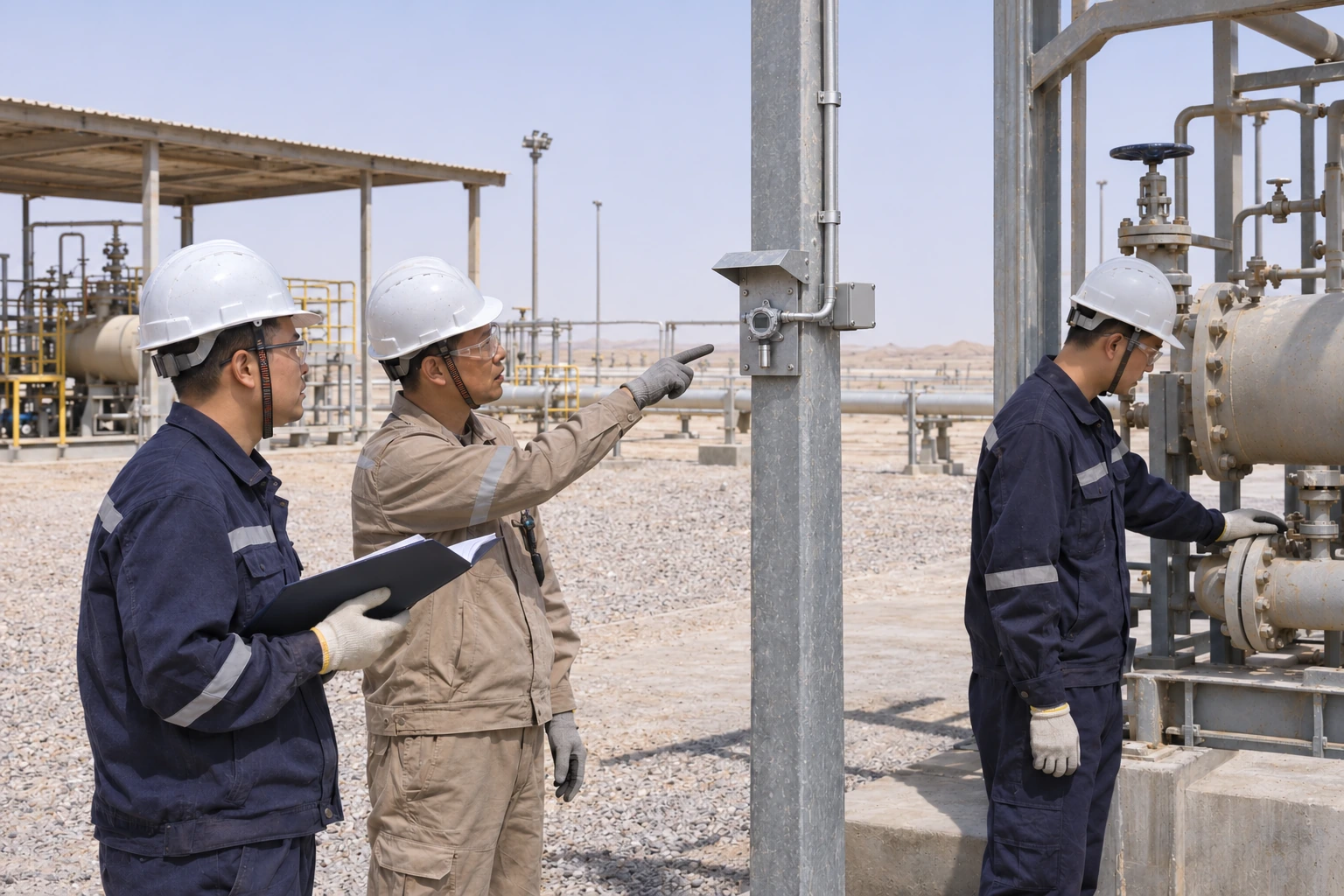
For industrial buyers, eac gas detector certification is a document and application review, starting with the exact equipment being ordered and the country where it will operate. A tender reference to TR CU 012/2011 should lead to a clear request for evidence covering the proposed detector configuration. This guide explains how to structure that review, compare supplier submissions, and keep explosion protection separate from the wider engineering decisions needed for a gas detection installation.
What TR CU 012/2011 Covers
TR CU 012/2011 concerns the safety of equipment intended for use in explosive environments. The official Rosstandart regulation record identifies its scope and lists the regulation as in force. Its relevance comes from the equipment’s intended operating environment and applicable market requirements. Detecting a hazardous gas does not, by itself, establish which explosion protection requirements apply to a particular instrument.
For a project involving Eurasian market access, ask the responsible conformity assessment specialist to confirm the applicable requirements before accepting a quotation. For installations in Europe or the Middle East, establish the destination requirements independently. A tender’s use of the term EAC should not become an assumption that the same documentation resolves every destination’s approval process.
Keep the discussion specific. Ask whether the submitted evidence covers the complete detector offered, its accessories, and the intended use. Treat a general statement such as “certification available” as a request for further documentation. Procurement teams need an identifiable document set that the project’s technical reviewer can assess against the actual order.
Match the Documents to the Ordered Detector
Build a comparison sheet before commercial evaluation. Put the requested configuration in one column and the supplier’s evidence in another. Include the full model designation, sensor option, enclosure, electrical connections, accessories, manufacturer identity, and intended installation conditions. This makes differences visible while there is still time to resolve them.
Request the certificate and relevant attachments, the proposed nameplate details, and the installation and operating instructions. Record the document identifiers and revision dates. Ask the supplier to explain any difference between the model name on the quotation and the name in the supporting documents. Similar appearance or a shared product family name should prompt investigation rather than automatic acceptance.
As a practical purchasing control, ask the responsible specialist to verify the certificate’s status through the appropriate official record and confirm that the issuing organization and scope are relevant. Save the verification evidence with the procurement file. A cropped image or an undated marketing statement leaves too many questions unanswered for a defensible equipment selection.
Make unresolved items explicit in the technical bid review. For example, a missing attachment should remain an open document request, with a named owner and a deadline. Avoid turning an unanswered question into an accepted assumption simply because the commercial offer is attractive or delivery is urgent.
Review the Installation as Well as the Instrument
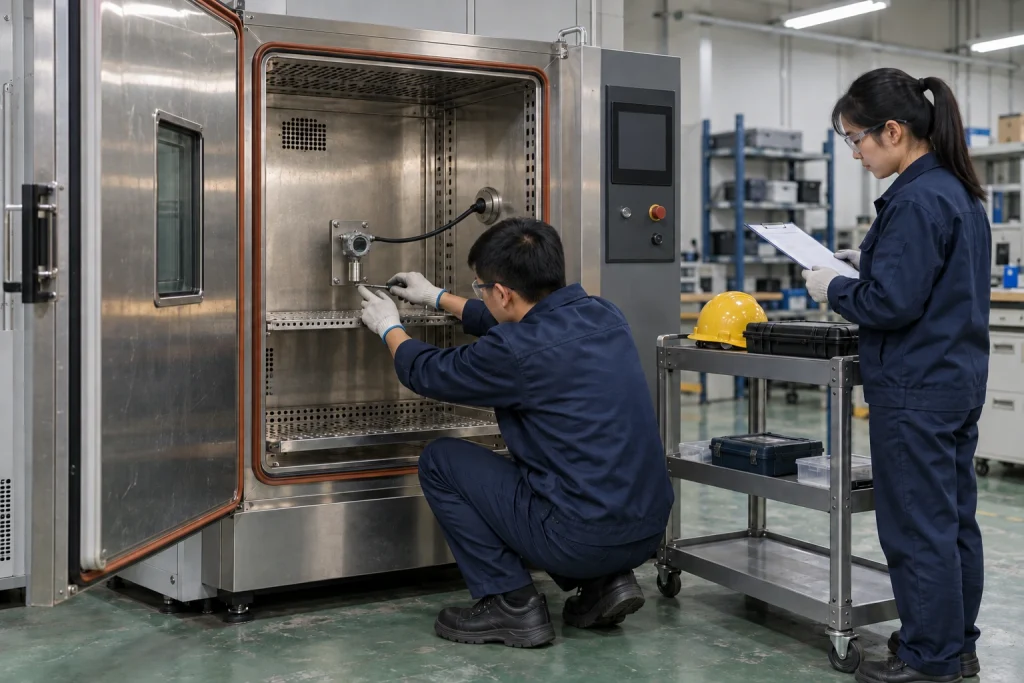
The project engineer should define the hazardous area conditions before a detector is shortlisted. The review should address the expected atmosphere, area classification, ambient conditions, and installation arrangement. Ask the reviewer to compare those inputs with the documented limits of the proposed equipment and explain any restrictions that affect installation or maintenance.
Use a project checklist covering the protection concept, relevant equipment grouping, temperature limitations, permitted ambient conditions, and any special conditions stated in the supplied documentation. These are review topics, not a generic marking that can be assigned to an unspecified detector. Do not copy a marking from one model or certificate onto a different configuration.
Connection details deserve their own review. Ask who will supply the cable entries, seals, adapters, junction boxes, and associated equipment. Confirm how those items will be selected and documented. A detector quotation can appear complete while leaving essential installation decisions outside the supplier’s scope.
Plan maintenance access at the same time. Record the manufacturer’s instructions for inspection, opening the enclosure, replacing components, and returning the instrument to service. Ask how spare parts will be identified and how proposed changes will be reviewed. These questions help preserve traceability after the original purchasing team has handed the project over.
Assess Detection Performance Separately
An explosion protection review does not answer every question about gas measurement. Prepare a separate application brief describing the target gas, likely release locations, ventilation, environmental influences, required signals, and intended alarm response. The brief should guide the choice of sensing approach and the information requested from each supplier.
For a broad initial comparison, the ASA gas detector range can be considered as a starting point for discussions. Evaluate individual models only after obtaining the relevant documentation. A category listing establishes neither suitability for a particular hazardous area nor certification coverage for a proposed configuration.
Ask for documented measurement characteristics, calibration requirements, maintenance guidance, and known application limitations. Do not infer measurement accuracy or response time from an enclosure designation. Agree how the installed system will be checked, including signal transmission, alarm indication, fault reporting, and the actions assigned to operators.
Before issuing the purchase order, assemble a handover package with the accepted configuration, reviewed documents, installation responsibilities, and outstanding conditions. This creates a practical reference for receiving inspection and commissioning. Any substitution should return to the technical reviewer before acceptance.
Why ASA
ASA’s product lines include gas detectors, dust alarms, and gas alarm controllers, supporting discussions about different parts of an industrial monitoring project. Buyers can bring application questions, equipment schedules, and documentation requirements into one inquiry, helping the team focus its engineering discussions and follow-up on the information needed for selection.
For projects specifying EAC, request confirmation of the available documentation for the exact proposed model before purchase. This article makes no claim that any ASA product holds EAC certification. Contact ASA with your project requirements, destination country, installation conditions, and purchasing schedule to discuss product options and the evidence needed for your review.
Disclaimer: Product availability, specifications, measuring ranges, alarm configurations and certification coverage vary by model and region. The information in this article is provided for general reference only and does not constitute a performance guarantee, safety assurance or compliance statement. Always refer to the official product documentation and confirm suitability, certification status and local regulatory requirements with our team before selection, installation or use.