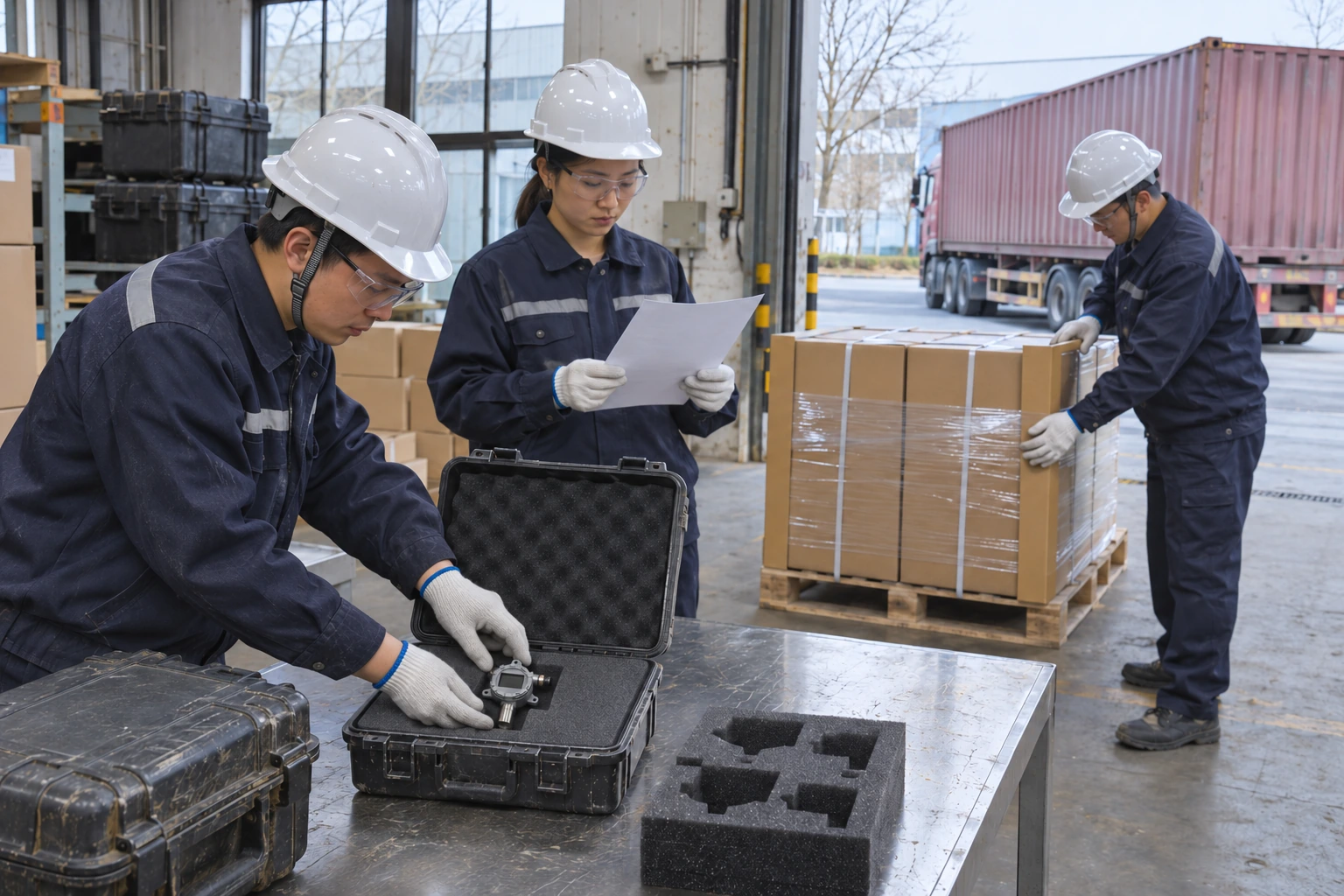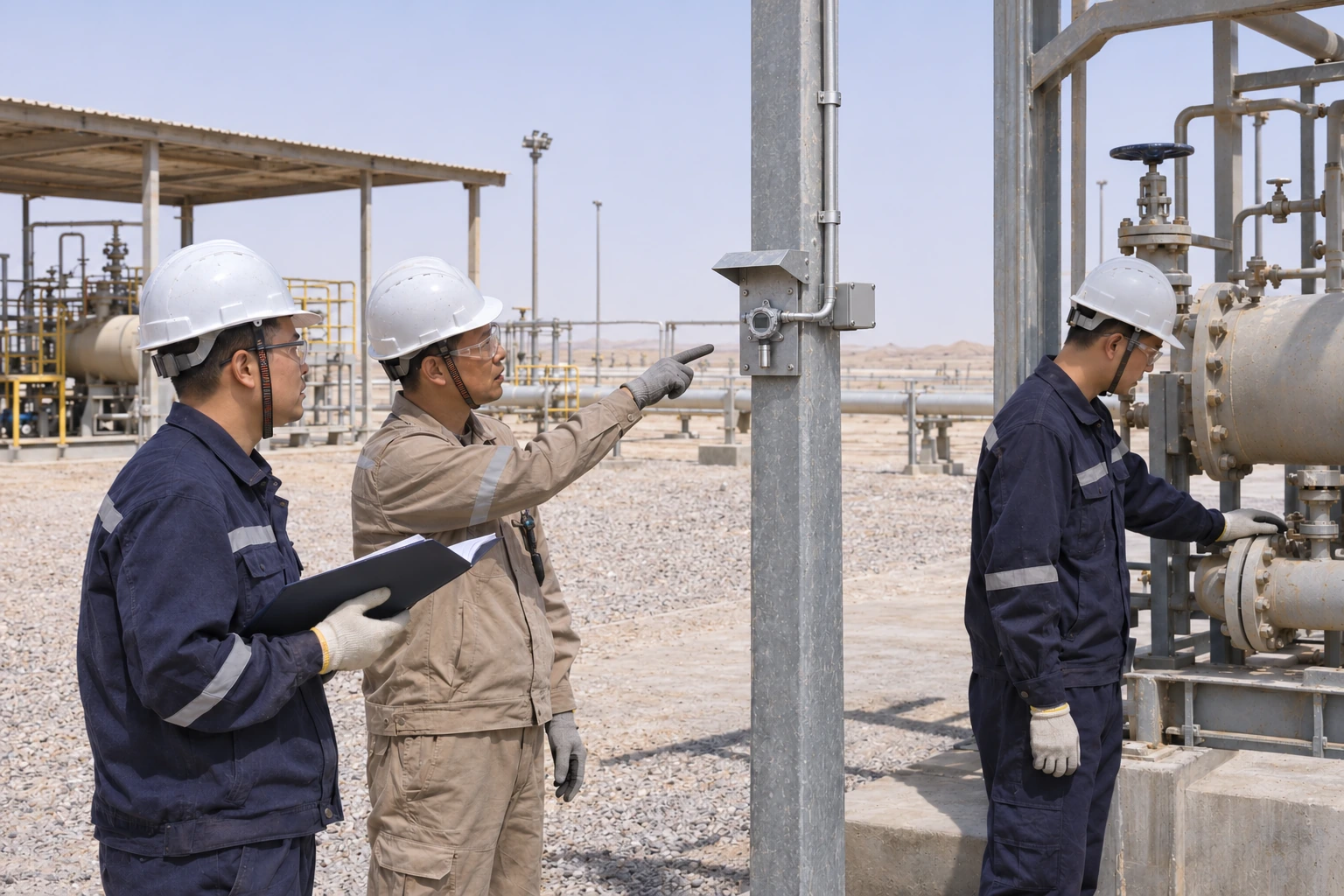
Effective power plant gas detection begins with separating the hazards in each operating area. Coal handling, hydrogen-cooled generators and turbine halls involve different release sources, ventilation patterns and maintenance activities. A detector chosen for one duty may be unsuitable for another. For industrial buyers in Europe and the Middle East, the practical starting point is a documented hazard assessment that connects each monitored gas to a location, an alarm response and a maintenance plan. This makes procurement more useful than selecting equipment from a general list of gases.
Coal Handling: Distinguish Gas Hazards from Dust Hazards
Coal conveyors, transfer points, bunkers and enclosed handling spaces require consideration of both airborne dust and gas hazards. These are separate monitoring duties. A gas detector does not measure dust concentration, and a dust alarm does not establish whether the atmosphere contains toxic or flammable gases. Buyers should identify which conditions need monitoring before deciding how the instruments will share alarms or reporting systems.
Carbon monoxide can be associated with incomplete combustion and coal heating. The UK Health and Safety Executive discusses carbon monoxide trends as an indicator of spontaneous heating in its coal mine fire guidance. Applying that principle to a power station requires a separate engineering assessment: coal storage geometry, airflow and sampling arrangements differ from those in mines. A reading should be interpreted alongside operating conditions and other available evidence.
For a defined ambient carbon monoxide monitoring duty, buyers may evaluate the ASA carbon monoxide gas detector against the project requirements. Confirm whether the proposed instrument and installation arrangement suit the actual environment. Dust loading, condensation, access for testing and potential contamination all matter. A detector intended for surrounding air should not automatically be treated as a process analyzer for a bunker sampling system.
Hydrogen-Cooled Generators: Specify Hydrogen Detection Explicitly
Hydrogen cooling introduces a gas-specific detection requirement around the generator and associated supply equipment. Review credible release points with the generator supplier, including connections and equipment interfaces. Hydrogen is lighter than air, but detector placement still depends on release direction, enclosure geometry, ventilation and overhead pockets. Simply choosing the highest accessible wall position does not demonstrate adequate coverage.
The purchase specification should explicitly name hydrogen as the target gas. Do not assume that a detector described as combustible gas equipment will detect hydrogen appropriately. Conventional infrared hydrocarbon sensing does not provide hydrogen detection. Any proposed sensing technology needs documented suitability for hydrogen, the expected atmosphere and the intended alarm duty. Calibration gas and test arrangements also need to match the application.
Ambient leak detection, generator gas purity monitoring and verification during maintenance are distinct tasks. OSHA’s hydrogen-cooled generator safety bulletin highlights the importance of appropriate atmospheric testing and purging procedures during repair work. Fixed area readings cannot by themselves establish that the generator interior is safe to enter. Follow the equipment manufacturer’s procedures and the site’s isolation, purging and entry controls, using suitable testing at the relevant locations.
Turbine Halls: Map Fuel Sources and Air Movement
The term turbine hall does not identify a single gas hazard. A steam turbine installation and a gas turbine enclosure can have substantially different monitoring needs. Start with the equipment inventory and fuel routing. Where natural gas equipment is present, review valves, joints, fuel conditioning equipment and enclosed spaces as potential release locations. Include adjacent systems only where the hazard assessment identifies a credible exposure or accumulation pathway.
For a methane monitoring duty, the ASA methane gas alarm detector may be considered during technical evaluation. Its suitability must be confirmed against the required gas, installation conditions and supporting documentation. This methane application should not be extended to hydrogen service without specific evidence supporting that separate duty.
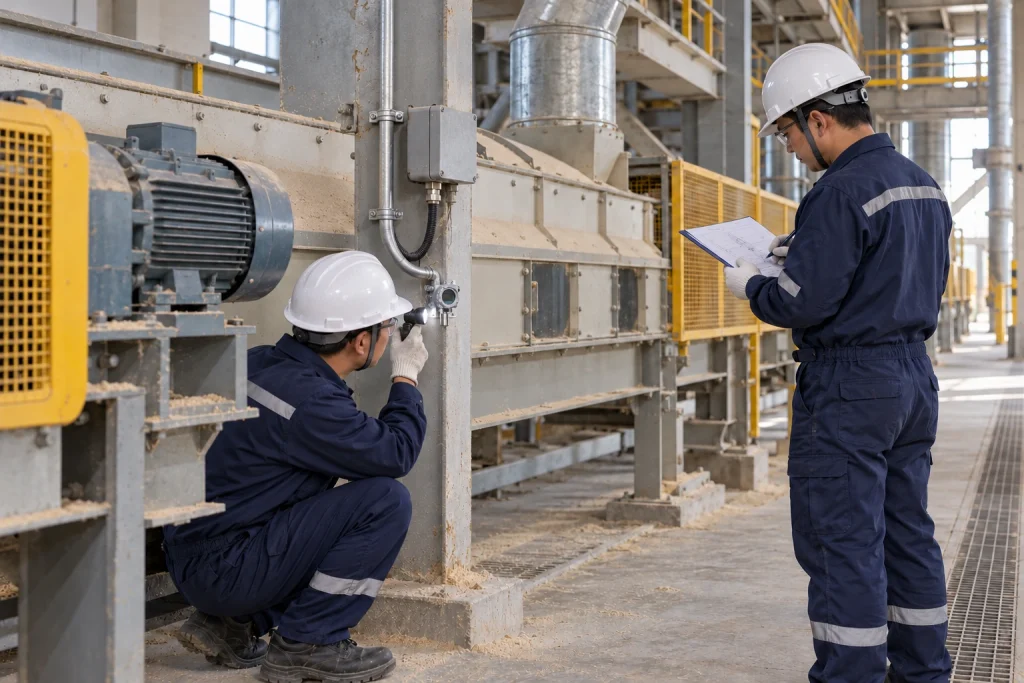
Ventilation deserves particular attention. Supply air, extraction, open doors, equipment enclosures and hot machinery can influence gas movement. Review conditions during normal operation, shutdown and ventilation failure. Detector locations should reflect credible releases and likely accumulation zones while remaining accessible for inspection and testing. Where uncertainty remains, obtain a competent placement review rather than relying on gas density alone.
Turn Monitoring Requirements into an Actionable Specification
A useful specification explains what each alarm is intended to trigger. Separate operator warnings, evacuation instructions, ventilation commands and equipment shutdown functions in the documented response plan. The engineering team should determine alarm settings and any automatic actions from the site assessment and applicable requirements. Copying settings from another facility can overlook differences in process conditions, occupancy and response arrangements.
Before requesting quotations, prepare a schedule that gives suppliers enough information to assess each monitoring point:
- Target gas, monitoring purpose and relevant operating or maintenance conditions.
- Installation location, environmental conditions and hazardous area requirements, where applicable.
- Required signals, alarm indication, fault reporting and interfaces with plant systems.
- Access for functional checks, calibration, sensor replacement and maintenance records.
Include the loss of monitoring in the response plan. A disconnected sensor, failed power supply or disabled channel needs a defined indication and an operational response. Commissioning should verify the intended signal path and documented alarm actions under controlled conditions. Arrange periodic checks according to the manufacturer’s instructions and the site’s maintenance program. Changes to fuel systems, ventilation or enclosure layouts should prompt a review of detection coverage.
Why ASA
ASA offers gas detectors, dust alarm detectors and gas alarm controllers for industrial project evaluation. This product scope gives procurement teams a starting point for discussing separate monitoring duties across coal handling and generating areas. Share the target gases, site conditions and integration requirements so that technical discussions can focus on documented suitability and any gaps requiring further review.
For your next power plant project, contact ASA to discuss your detection requirements. Request model documentation, clarify engineering support needs and agree on response expectations before selection. A clear monitoring schedule helps both the purchaser and supplier address the actual application.
Disclaimer: Product availability, specifications, measuring ranges, alarm configurations and certification coverage vary by model and region. The information in this article is provided for general reference only and does not constitute a performance guarantee, safety assurance or compliance statement. Always refer to the official product documentation and confirm suitability, certification status and local regulatory requirements with our team before selection, installation or use.