Effective steel plant co monitoring begins with understanding how process gas can reach occupied areas. Blast furnaces, converters and gas holders present different release scenarios, so a useful specification connects each monitoring point to a credible source, a migration route and an agreed response. For industrial buyers in Europe and the Middle East, this means evaluating detector suitability alongside plant layout, operating practices and maintenance access, before deciding how many instruments to purchase.
Carbon monoxide (CO) is colorless, odorless and toxic, as described in the NIOSH overview of workplace CO hazards. Personnel cannot rely on smell to recognize exposure. Fixed detection can be considered as one part of a wider program that includes containment, ventilation, personal monitoring where required, controlled access and emergency arrangements.
Blast Furnaces: Follow the Gas System and Work Routes
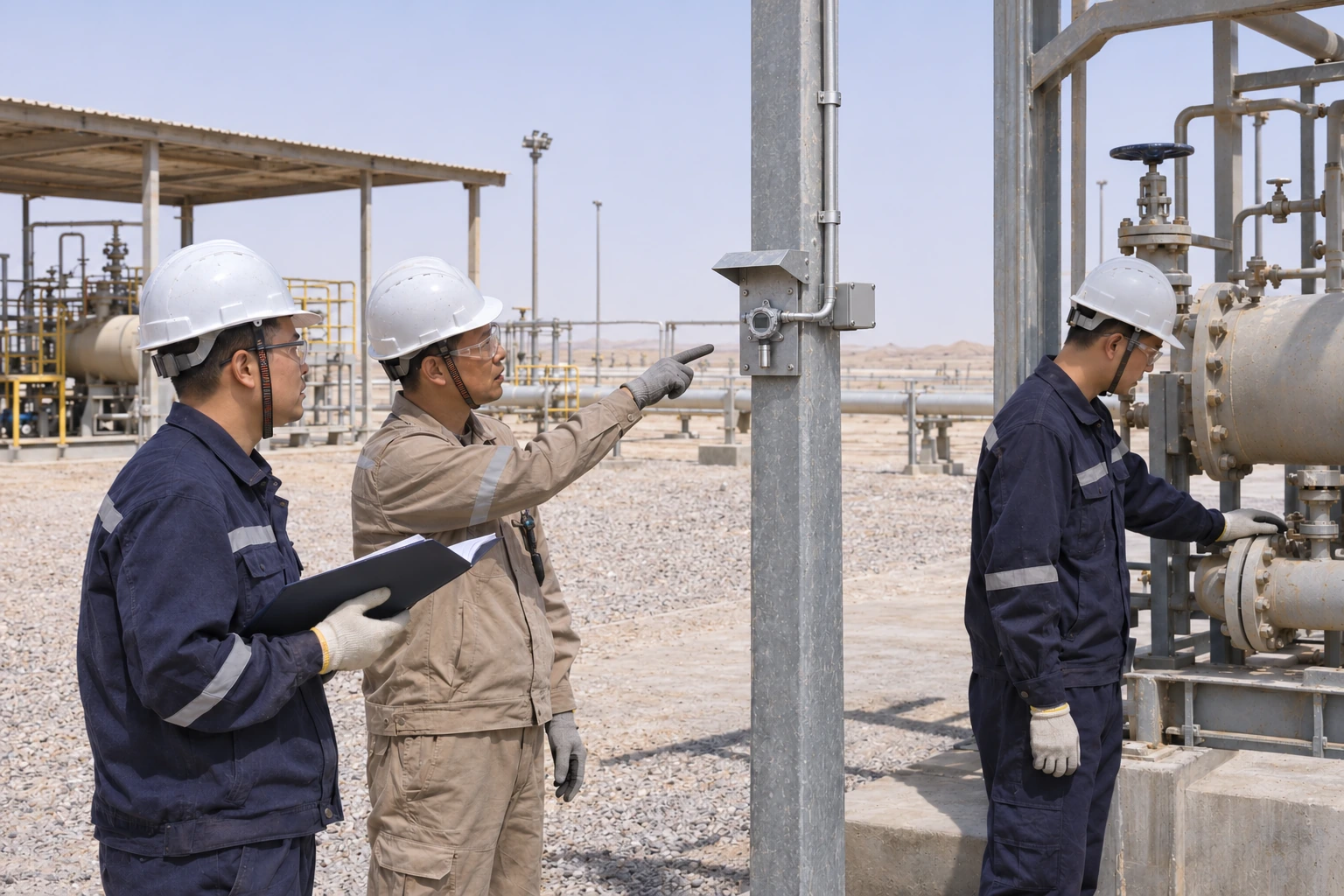
Blast furnace gas contains CO, making gas handling equipment and nearby workplaces important subjects for a site assessment. Review the furnace top, gas cleaning equipment, accessible pipework joints, valves and associated service areas. Candidate monitoring locations should reflect where a release could reach people, including inspection platforms, enclosed operating spaces and routes used during routine rounds.
A detector close to a possible leak is not automatically positioned to detect every relevant release. Hot gas, outdoor wind, building openings and mechanical ventilation can change its path. Placement therefore needs a documented assessment of release conditions and airflow. Avoid selecting mounting height solely from the molecular weight of CO; the behavior of the process gas mixture and its surroundings matters.
Startup, shutdown and maintenance deserve separate attention because equipment status and personnel access can differ from normal production. Temporary barriers, opened enclosures or altered ventilation may change coverage. Review these changes through the plant’s work planning process, and identify when additional portable monitoring is needed. A fixed instrument at one location does not establish that an entire platform or work area is clear.
Converters: Separate Ambient Detection from Process Analysis
Converter operations can produce CO-bearing off-gas. The assessment should examine the gas collection route, associated recovery equipment where fitted, and occupied areas around the process. Consider how operating stages, hood arrangements and ventilation affect possible releases. Control rooms, access passages and maintenance positions can require different monitoring approaches from the equipment handling the gas itself.
Ambient CO detection and process off-gas analysis have different jobs. An ambient detector measures conditions at its sensing location to support workplace alarm arrangements. A process analyzer measures a process stream for operational control. Their sampling conditions, measurement requirements and maintenance provisions can be very different. Neither should be specified as a substitute for the other without an engineering assessment.
As a related example from electric arc furnace operations, OSHA guidance on CO explosion hazards discusses off-gas analysis and furnace process controls. That guidance concerns a different furnace process, but illustrates why workplace monitoring and process control need distinct specifications. A purchasing brief for converter areas should clearly identify which duty each instrument is expected to perform.
Gas Holders: Assess Interfaces, Enclosures and Access
Where gas holders store CO-bearing recovered gas, review accessible seals, inlet and outlet connections, valve stations and nearby occupied structures. Holder design and operating arrangements vary, so there is no universal detector layout. Include the surrounding gas distribution system in the review rather than treating the holder shell as the only potential source.
Nearby rooms, shelters and service spaces may have airflow patterns that differ from the open yard. Identify where gas could enter, where personnel work and whether ventilation changes between operating modes. Outdoor installations also need consideration of rain, dust, temperature and access for calibration. Any protection around a sensing inlet should follow the manufacturer’s instructions and avoid obstructing gas access.
Fixed CO detection does not replace isolation, atmospheric testing or a confined-space entry procedure. A CO reading also provides no direct confirmation of oxygen concentration or the absence of other hazardous gases. Maintenance planning should identify the relevant hazards and appropriate monitoring instruments before entry or intrusive work begins.
Specify Alarm Response and Maintainable Equipment
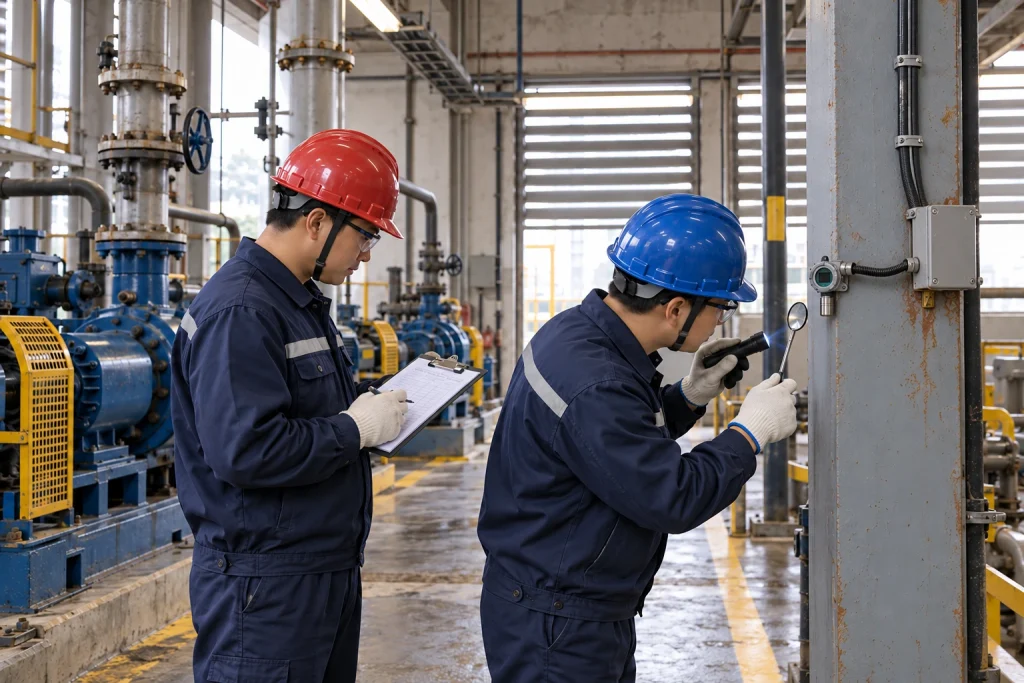
For each proposed detection point, document the expected gas background, environmental conditions, inspection access and required signal interface. Ask suppliers about cross-sensitivity to other gases present in the process environment, including hydrogen where relevant. Confirm how an instrument indicates a fault or an over-range condition, and how those conditions appear to operators. Do not assume that every unavailable reading means clean air.
Alarm settings should follow the site’s risk assessment and applicable local requirements. Define who receives each alarm, what action is required and how evacuation or access restrictions are communicated. Where interfaces to ventilation or shutdown systems are proposed, qualified engineers should establish and validate the cause-and-effect logic. A controller connection alone does not establish a suitable protective function.
ASA’s carbon monoxide gas detector may be evaluated for an ambient monitoring proposal, subject to confirmation of model suitability. Where centralized indication is considered, review the AN-3100H gas detection controller for installation in non-hazardous (safe) areas. Confirm compatibility and project requirements against current documentation before selection. Include calibration, functional checks, alarm-path verification and maintenance records in the handover plan.
Why ASA
ASA’s gas detector, dust alarm detector and gas alarm controller product lines provide a starting point for industrial monitoring discussions. For a steel plant project, share the monitored areas, process gases, environmental conditions and intended alarm responses so the team can review the requirement. Request confirmation of documentation, engineering support scope, delivery expectations and service arrangements during procurement. Contact ASA to discuss your steel plant monitoring requirements and identify the information needed for equipment evaluation.
Disclaimer: Product availability, specifications, measuring ranges, alarm configurations and certification coverage vary by model and region. The information in this article is provided for general reference only and does not constitute a performance guarantee, safety assurance or compliance statement. Always refer to the official product documentation and confirm suitability, certification status and local regulatory requirements with our team before selection, installation or use.