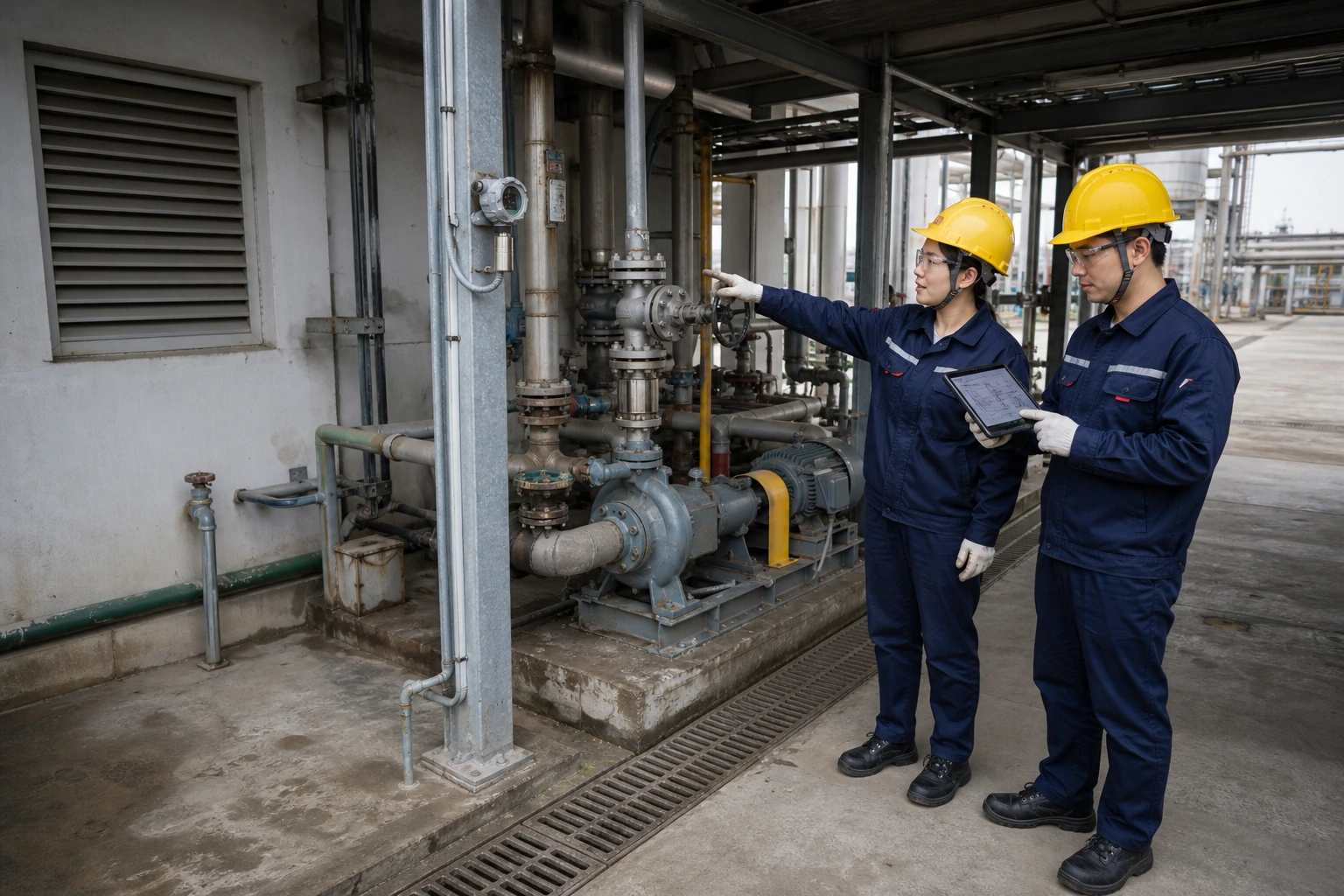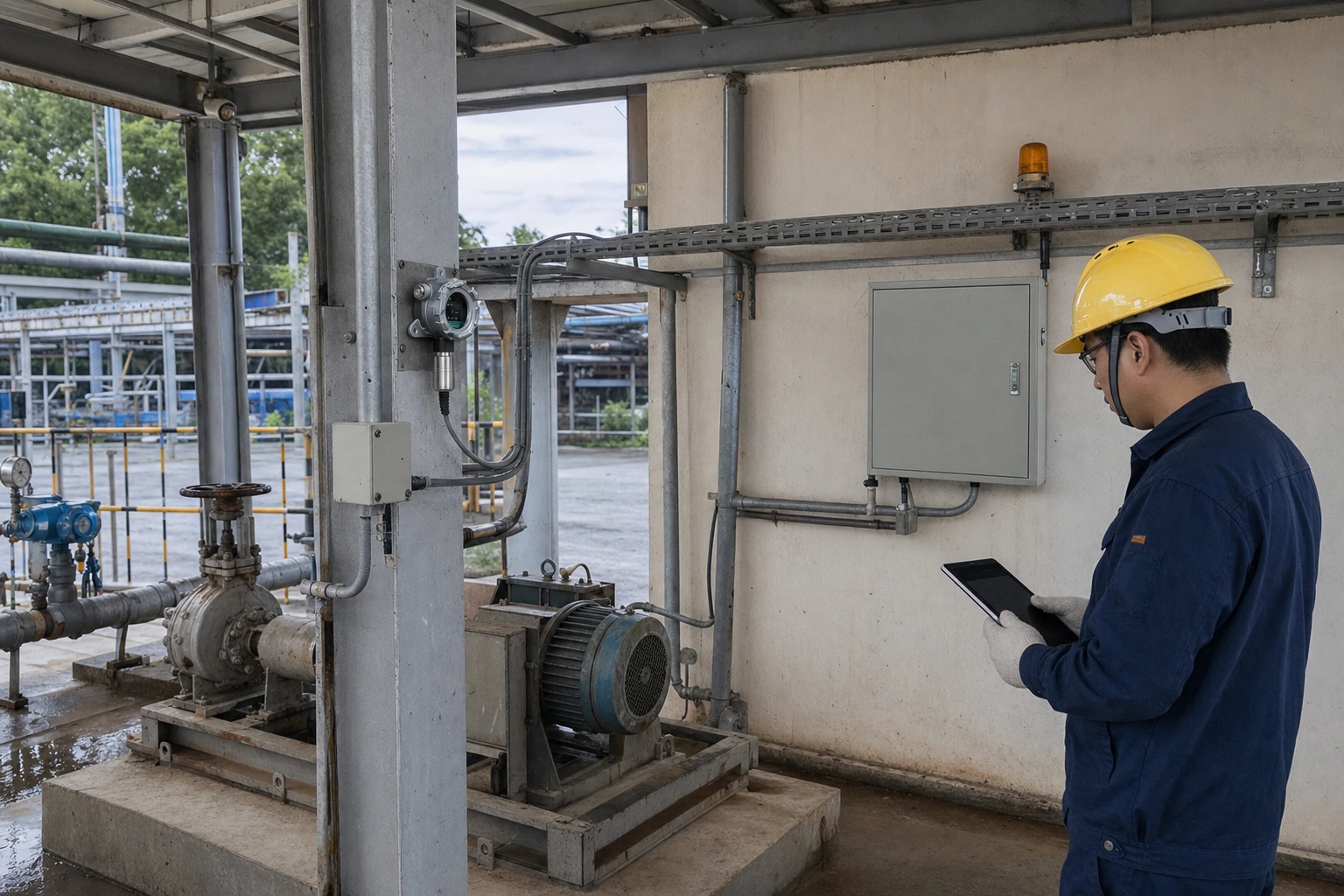
Sourcing safety instrumentation from overseas manufacturers can deliver significant cost and lead-time advantages, but it also raises a fair question: how do you separate a dependable gas detection equipment supplier from a trading company that simply relabels whatever is available? For procurement teams in Europe and the Middle East, the answer lies in a structured evaluation process. Gas detectors, dust monitors and alarm controllers are life-safety products, so the assessment should go well beyond unit price. This guide outlines the practical checks that buyers commonly apply when qualifying a gas detection equipment supplier from China, from documentation review to engineering support and long-term serviceability.
Verify Certifications and Documentation Before Anything Else
The first filter is paperwork. For fixed gas detectors intended for potentially explosive atmospheres, buyers in Europe typically require ATEX or IECEx certification for the specific models being quoted, not just a general company claim. A credible supplier should be able to provide certificate numbers that can be checked against the issuing body’s public database, along with the exact marking string that will appear on the product label.
Beyond explosion protection, ask for CE documentation relevant to your market, calibration certificates for shipped units, and user manuals in English that match the actual firmware and hardware revision. Red flags include certificates issued to a different company name, scanned documents with mismatched model numbers, or reluctance to share full certificate copies before an order. Since certification coverage often varies model by model, confirm the status of the exact configuration you intend to buy rather than assuming a family-wide approval.
Assess the Product Range and Underlying Technology
A manufacturer with genuine engineering capability usually offers a coherent product family rather than a random catalogue. Look for a logical spread across combustible gas detection (catalytic bead and infrared sensor options), toxic gas monitoring with electrochemical cells, PID-based VOC instruments, and matching alarm controllers that tie the field devices into a system. You can review how such a portfolio is typically structured on our gas alarm detector product center.
During technical discussions, test the supplier’s depth with specific questions: Which sensor brands or cell types are used? How does the detector behave at end of sensor life? What outputs are supported – 4-20mA, RS485 Modbus, relay contacts? A supplier that answers precisely, including the limitations of each technology, is generally more trustworthy than one that promises every specification you ask for without hesitation. Vague or inflated answers on measuring range and response time are a common warning sign.
Evaluate Engineering Support and Customization Ability
Industrial gas detection projects rarely fit a standard datasheet perfectly. Sites differ in target gases, mounting conditions, cable distances, controller channel counts and local alarm philosophy. A capable partner should be able to review your gas list and site drawings, recommend detector placement principles based on gas density, and configure alarm setpoints to your specification before shipment.
Ask how the supplier handles engineering queries: Is there a technical contact who understands the products, or only a sales inbox? Can they support system-level design where multiple detectors report to a multi-channel controller? Can documentation such as wiring diagrams and commissioning checklists be provided in advance? Suppliers that support diverse industries – petrochemical, water treatment, food processing, laboratories – tend to have broader application experience, which you can gauge from how they discuss typical application scenarios.
Check Quality Control, Lead Times and Communication
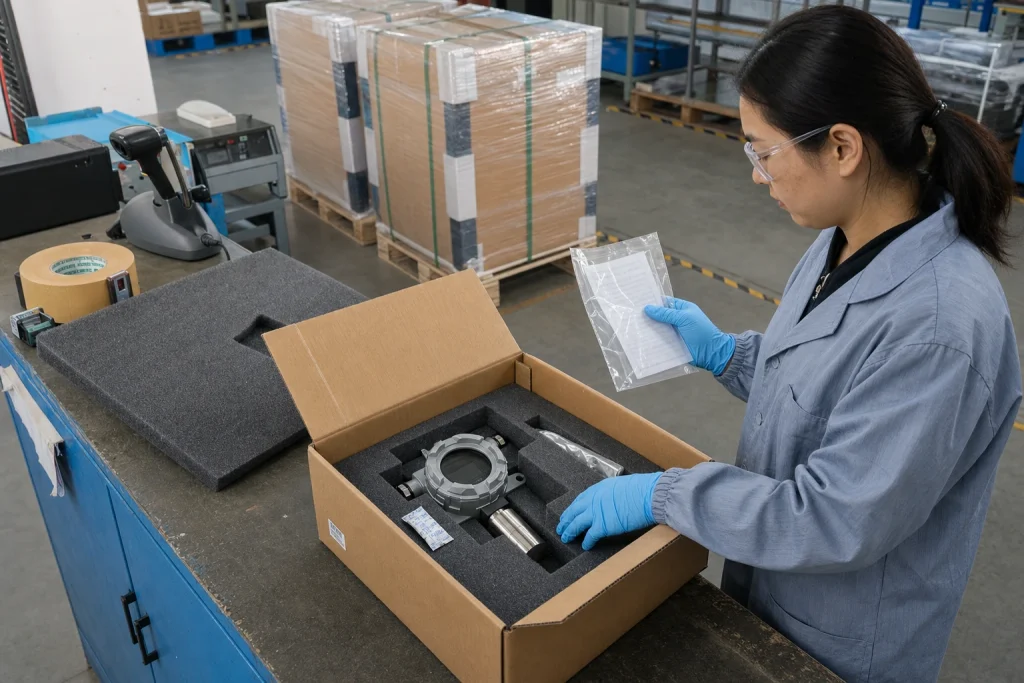
Consistent quality matters more than a perfect sample. Ask about the factory’s testing routine: whether every detector is calibrated with reference gas before dispatch, whether burn-in testing is performed, and what records accompany each shipment. A factory audit, either in person or through a third-party inspection agency, may be considered for larger or recurring orders.
Commercial reliability is equally important. Evaluate quoted production lead times against what other buyers report, and confirm how the supplier packages sensitive instruments for long-distance freight. Communication speed is a useful proxy for how after-sales issues will be handled later: a supplier that responds clearly within one working day during the quotation stage is more likely to respond when you need spare sensors or troubleshooting help after installation. Clarify warranty terms, spare parts availability and the expected service life of consumable sensor cells in writing.
Compare Total Cost of Ownership, Not Just Unit Price
The cheapest quotation is rarely the cheapest system over a five-year horizon. Sensor replacement intervals, calibration accessories, controller compatibility and the cost of downtime all affect the real total. When comparing offers, normalize them: same gas types, same output options, same explosion-protection requirements, same accessory scope. Ask each candidate to state clearly what is included – mounting hardware, calibration caps, documentation – so you are comparing like with like. A supplier willing to break down the offer transparently is usually one that expects a long-term relationship rather than a single transaction.
Why ASA
ASA focuses on industrial gas and dust monitoring, with a product line that covers fixed gas detectors for combustible and toxic gases, dust concentration monitors, and single-zone to multi-channel gas alarm controllers. Our engineering team supports customers from gas list review and detector selection through to alarm configuration and commissioning guidance, and we are accustomed to working with procurement teams and system integrators across Europe and the Middle East. Enquiries are answered promptly, and documentation is prepared to match each project’s requirements. If you are qualifying a new supplier for an upcoming project, we welcome the comparison – contact our team with your gas list and site requirements for a detailed proposal.
Disclaimer: Product availability, specifications, measuring ranges, alarm configurations and certification coverage vary by model and region. The information in this article is provided for general reference only and does not constitute a performance guarantee, safety assurance or compliance statement. Always refer to the official product documentation and confirm suitability, certification status and local regulatory requirements with our team before selection, installation or use.