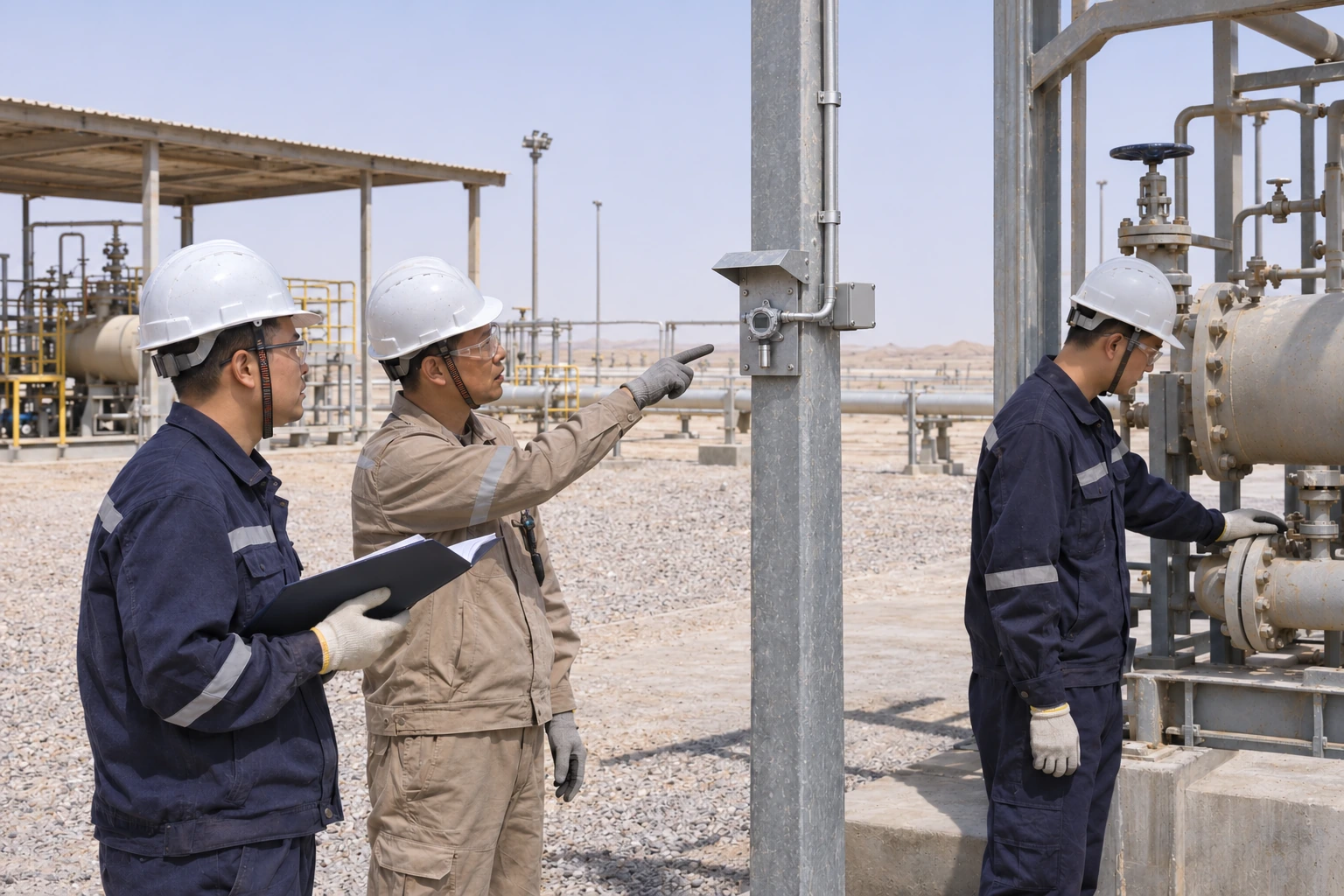
An isa 92 gas detector requirement can appear in an international tender without explaining which document, edition or evaluation the buyer expects. For industrial procurement teams in Europe and the Middle East, that ambiguity matters: a standards reference helps define a technical requirement, but it does not establish that a particular instrument is suitable for a site. A useful review starts with the gas hazard, the intended installation and the evidence supplied for the exact model being offered.
What an ISA 92 Reference Actually Identifies
ISA92 concerns industrial air measurement instrumentation associated with health and safety. However, “ISA 92” alone is an incomplete purchasing specification. Different documents address different purposes. A toxic gas performance document, an oxygen measurement document and installation guidance should not be treated as interchangeable requirements.
Legacy references include ANSI/ISA-92.00.01 for toxic gas detector performance and ANSI/ISA-92.00.02 for installation, operation and maintenance. Buyers may also encounter separate references for open path toxic gas detection and oxygen monitoring. Ask the specification owner to identify the full designation, edition and intended application before comparing suppliers.
Status also needs checking. The ISA92 committee page states that its work transferred to UL under UL STP 9200. ISA separately lists several legacy ISA92 documents among its administratively withdrawn standards. An old tender reference therefore deserves clarification. Do not silently replace it with another document or assume that an older test report satisfies a revised specification.
How UL Standards Fit into the Comparison
UL publishes multiple gas detection standards with different scopes. The standard number is essential because “UL gas detector” does not identify the gas, installation environment or function evaluated. Request the applicable document and supporting evidence rather than accepting a general statement in a quotation.
For example, the published UL 2075 scope addresses gas and vapor detectors and sensors for ordinary, non-hazardous locations. It includes specified toxic and combustible gas applications and contains exclusions and conditions that must be checked against the proposed equipment. Its scope excludes equipment intended for hazardous classified locations. A buyer should therefore avoid using this reference alone to justify installation in such an area.
Another example is UL 60079-29-1, which addresses construction, testing and performance for equipment detecting flammable gas or vapor concentrations in air. Its published scope includes portable, transportable and fixed equipment. That subject differs from toxic gas measurement, so a flammable gas performance reference cannot answer every question in a mixed gas monitoring project.
These examples explain how to read standards references. They are not statements that any ASA product has been evaluated, listed or certified to these documents. Product-specific status must come from documentation covering the offered model and configuration.
Turn Tender Language into an Evidence Checklist
Begin by writing down what the instrument must detect and what action its signal will support. Distinguish personnel exposure monitoring, leak warning and process-related measurement. Then describe the installation conditions, including temperature, moisture, possible contaminants and access for maintenance. These details help suppliers identify whether their documentation addresses the actual application.
Use a short evidence checklist when reviewing quotations:
- Identify the manufacturer, exact model, sensor option and accessories included in the offer.
- Request the full standard designation and edition behind each claimed evaluation.
- Obtain the relevant report, certificate or listing reference, including its scope and limitations.
- Check whether the evidence covers the complete instrument or only a component.
- Compare the documented gas, measurement configuration and environmental conditions with the project specification.
Keep differences visible in a technical clarification register. For example, evidence for one sensor option should not automatically be accepted for another option within the same product family. Likewise, a document describing a test method is different from a report showing that an identified instrument underwent that test.
Separate mandatory acceptance criteria from preferences before evaluating prices. If a requirement is unclear, obtain a written interpretation from the responsible project engineer or specification owner. This helps prevent a commercial comparison from hiding unresolved technical differences.
Apply the Review to European and Middle Eastern Projects
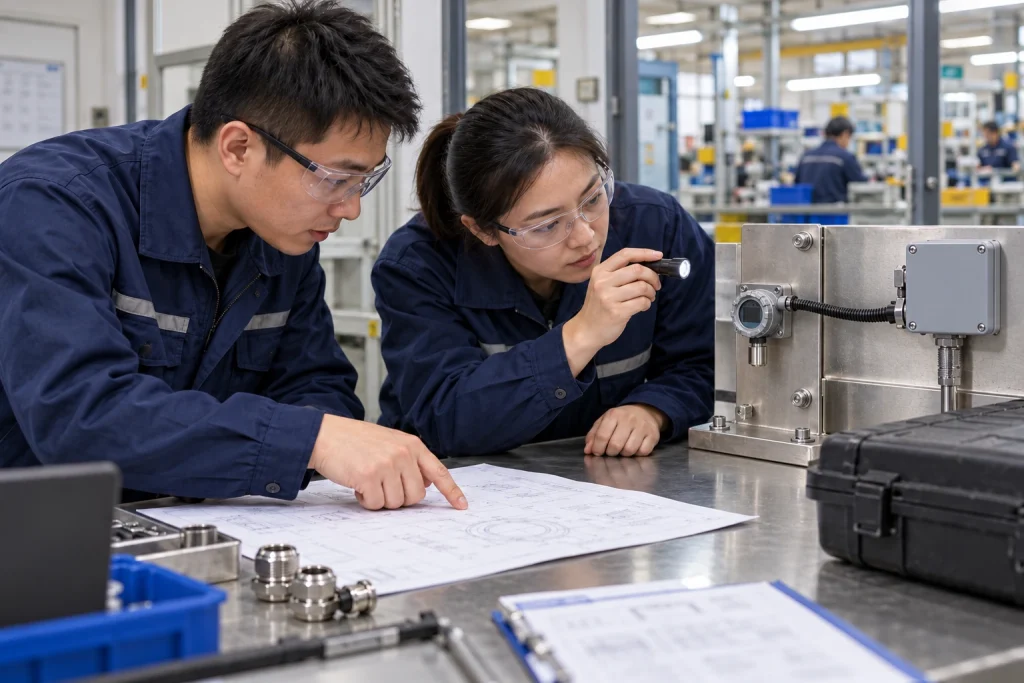
For a project outside the United States, ask how the cited standard fits the destination’s requirements and the customer’s procurement rules. Have the responsible local reviewer confirm the required evidence and acceptance process. Avoid assuming that a standards reference in an international brochure resolves every approval question for a particular country or industrial site.
System design also needs its own review. Detector positioning, ventilation patterns, likely release points, alarm handling and maintenance access influence how a monitoring arrangement performs in service. A laboratory evaluation cannot determine all of these site-specific decisions. Document who will assess placement, commission the installation and maintain the equipment.
When surveying fixed gas detection options, compare the available documentation against the project requirements before narrowing the shortlist. Ask how calibration, functional checks, fault indications and replacement parts will be managed over the equipment’s service life. These are practical procurement questions even when competing quotations cite the same standard.
Why ASA
ASA offers gas detectors, dust alarm detectors and gas alarm controllers for industrial monitoring projects. This product coverage gives buyers a starting point for discussing detection needs and system requirements. Model suitability still requires a separate review of the application and available documentation.
For an efficient engineering discussion, share the target gas, installation environment, required signals and the exact standards named in your tender. Ask the team to clarify model documentation, support arrangements and expected response timing before selection. Contact ASA with your project requirements to discuss the available options and the evidence needed for your review.
Disclaimer: Product availability, specifications, measuring ranges, alarm configurations and certification coverage vary by model and region. The information in this article is provided for general reference only and does not constitute a performance guarantee, safety assurance or compliance statement. Always refer to the official product documentation and confirm suitability, certification status and local regulatory requirements with our team before selection, installation or use.