Effective cement plant gas monitoring starts with separating process control from protection of people in occupied areas. Kilns, coal mills and alternative fuel feed systems have different release sources, operating conditions and maintenance needs. A useful purchasing specification connects each proposed measurement to a defined hazard and response. For industrial buyers in Europe and the Middle East, this means reviewing fuel characteristics, ventilation and access arrangements before choosing detector locations or requesting equipment quotations.
Kiln Areas: Separate Process Measurements from Workplace Monitoring
Kiln operation involves combustion gases, hot surfaces and changing pressure conditions. Carbon monoxide can be produced by incomplete combustion of carbon-based fuels, as explained in HSE guidance on carbon monoxide. The workplace monitoring question is where those gases could escape and reach personnel during normal operation, disturbances or maintenance. Review inspection openings, duct connections and adjacent enclosed spaces, together with ventilation and the plant’s operating history.
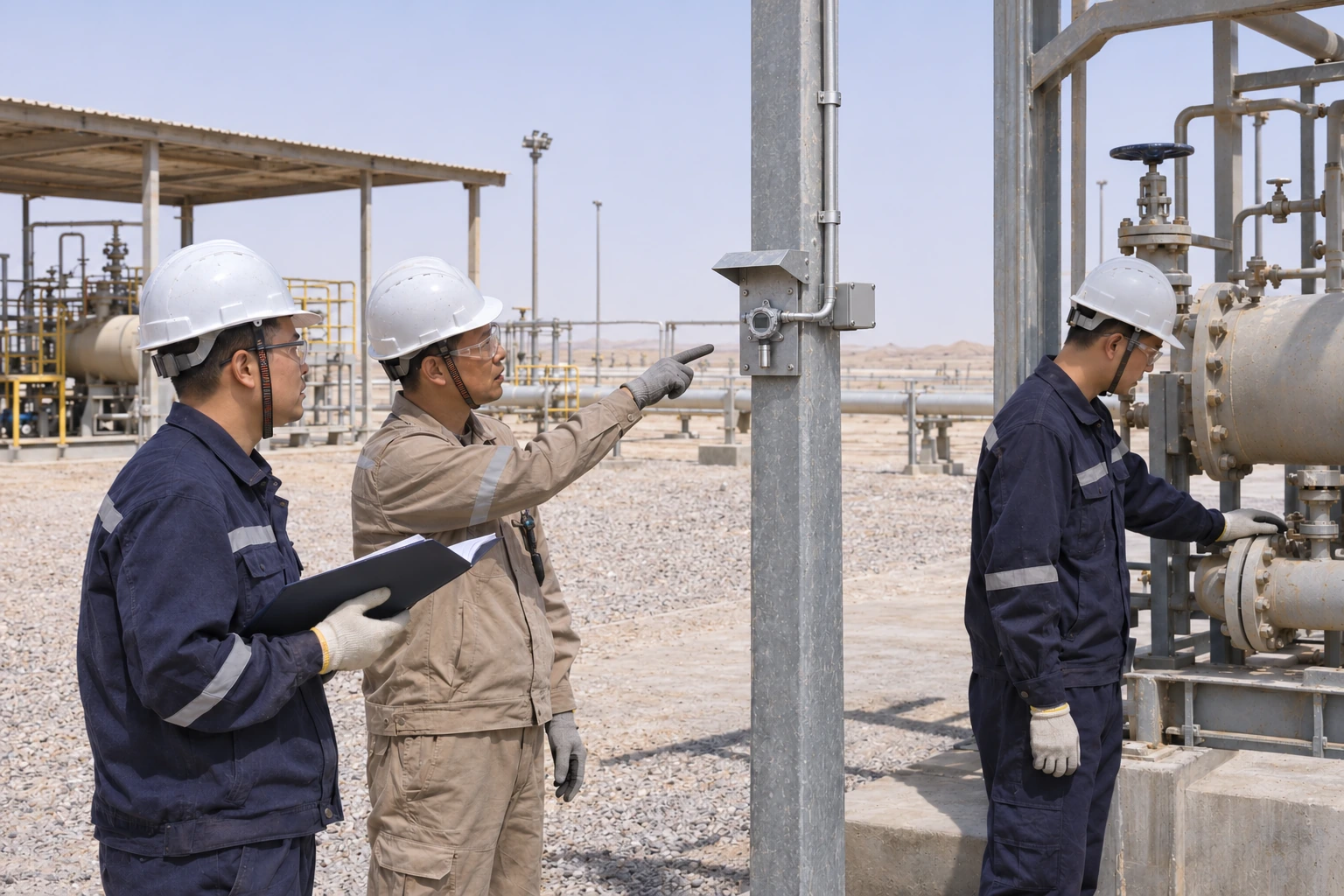
A process analyzer measuring gas inside a kiln system serves a different purpose from a fixed detector monitoring the surrounding atmosphere. Hot, dusty process streams may require dedicated sampling equipment and conditioning. An ambient detector should not be specified for direct insertion into such a stream without documented suitability. Likewise, a process reading cannot demonstrate that every nearby walkway or work area has an acceptable atmosphere.
Where the risk assessment identifies an ambient CO monitoring requirement, the ASA carbon monoxide gas detector may be evaluated against the application specification. Confirm environmental limits, possible interfering gases and maintenance requirements using current product documentation. Select locations by credible gas movement and worker exposure, rather than assuming that a convenient mounting position provides useful coverage.
Coal Mills: Address Developing Conditions and Dust Hazards
Coal preparation and storage require attention to heating, combustion and combustible dust. CO trends may be useful when evaluating developing combustion conditions, but their meaning depends on the process, sampling location and operating state. A reading taken inside a mill system and one taken in the surrounding building should not be treated as interchangeable. Establish the monitoring objective before selecting either a process analyzer or an ambient detector.
For process sampling, discuss dust loading, sample transport, blocked filters, condensation and maintenance access with the system designer. A sample that arrives late or fails to reach the analyzer can undermine the intended warning function. The specification should describe how sample faults are detected and how operators distinguish an instrument fault from a measured gas condition. Review startup, shutdown and idle periods as well as steady production.
Where inert gas is used, the assessment should also consider oxygen depletion around possible releases and entry locations. Fixed oxygen monitoring may be considered as part of the resulting precautions, subject to a site survey. Gas measurements do not establish whether airborne coal dust is below a hazardous concentration. Dust control, ignition prevention and any required explosion protection remain separate engineering responsibilities.
Alternative Fuel Feed Systems: Let the Fuel Inventory Define the Scope
Alternative fuels can include materials with substantially different handling and storage behavior. The American Cement Association’s overview of alternative fuels identifies examples including tires and biomass. That variety is a reason to review the actual fuel inventory, supplier information and acceptance criteria rather than apply one gas detection specification to every reception bunker, conveyor enclosure and dosing point.
Storage conditions also matter. HSE describes CO release and oxygen depletion associated with wood pellet storage. This supports assessing those hazards where wood pellets are handled; it does not establish identical behavior for every biomass or mixed waste fuel. Changes in fuel composition, moisture, storage duration or handling arrangements should trigger a review of the site’s existing assumptions.
Consider enclosed reception areas, transfer points, fuel storage spaces and routes through which gases might reach occupied rooms. Where oxygen depletion is a credible scenario, the ASA fixed oxygen gas detector can be considered for application review. If the inventory instead indicates a flammable vapor hazard, specify the actual substances and measurement objective. A methane-oriented selection should not be assumed suitable for every vapor mixture.
Turn the Hazard Review into a Maintainable Monitoring Specification
Prepare a location schedule that identifies each hazard source, target gas, measurement purpose and expected operator response. Include ventilation patterns, release direction, nearby workstations and maintenance access. Gas density alone is not enough to determine placement: hot releases, extraction systems, barriers and changing airflow can alter movement. Sites exposed to high ambient temperatures or heavy dust should document those conditions for equipment review.
Agree alarm settings and response procedures through the site’s competent safety and engineering team. Process alarms, workplace exposure warnings and equipment faults can require different actions. If signals are intended to operate ventilation, stop fuel delivery or initiate another protective function, the complete control arrangement needs a defined design and validation process. The presence of a detector alone does not establish that an automatic action is appropriate.
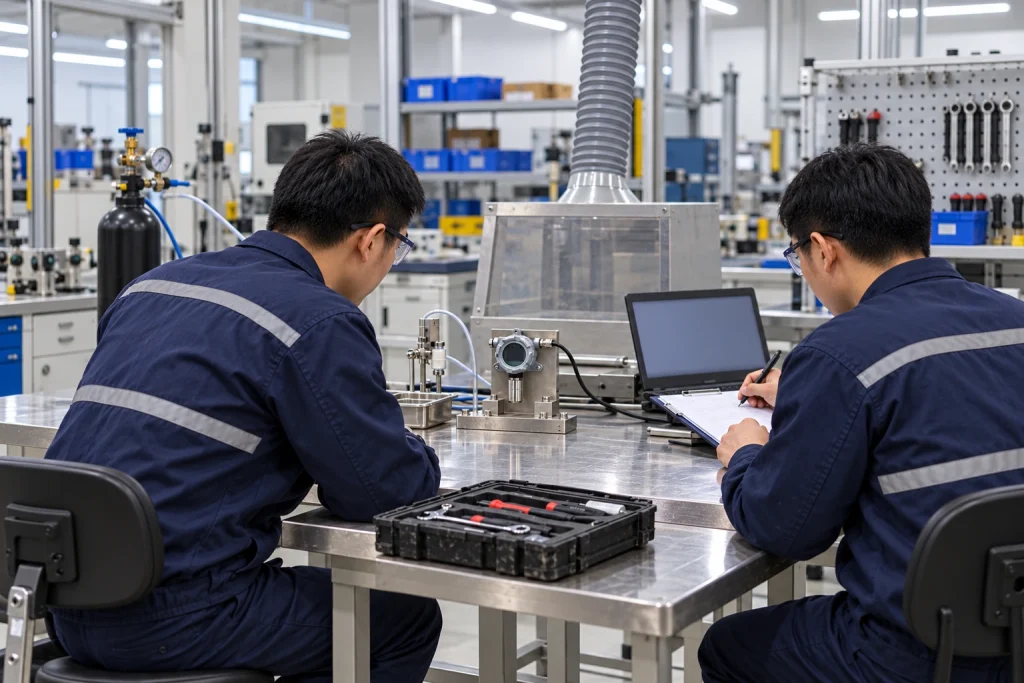
Include functional checks, calibration arrangements, service access and spare parts planning in the purchase scope. Identify who responds when an instrument is unavailable and what temporary precautions apply. Fixed monitoring also does not replace the assessment, isolation, atmospheric testing and rescue planning required for confined space entry. Revisit coverage when fuels, ventilation or equipment layouts change, rather than treating commissioning as the final review.
Why ASA
ASA’s gas detector, dust alarm and gas alarm controller product lines provide a starting point for discussing different monitoring needs across a cement facility. Bring the engineering team a location schedule and fuel inventory so that product suitability, documentation and integration requirements can be reviewed against the actual application. Include commissioning support, spare parts availability and expected response times in that discussion instead of assuming one service arrangement covers every site.
To begin a project review, contact ASA with your cement plant monitoring requirements, including target gases, installation conditions and the intended alarm response.
Disclaimer: Product availability, specifications, measuring ranges, alarm configurations and certification coverage vary by model and region. The information in this article is provided for general reference only and does not constitute a performance guarantee, safety assurance or compliance statement. Always refer to the official product documentation and confirm suitability, certification status and local regulatory requirements with our team before selection, installation or use.