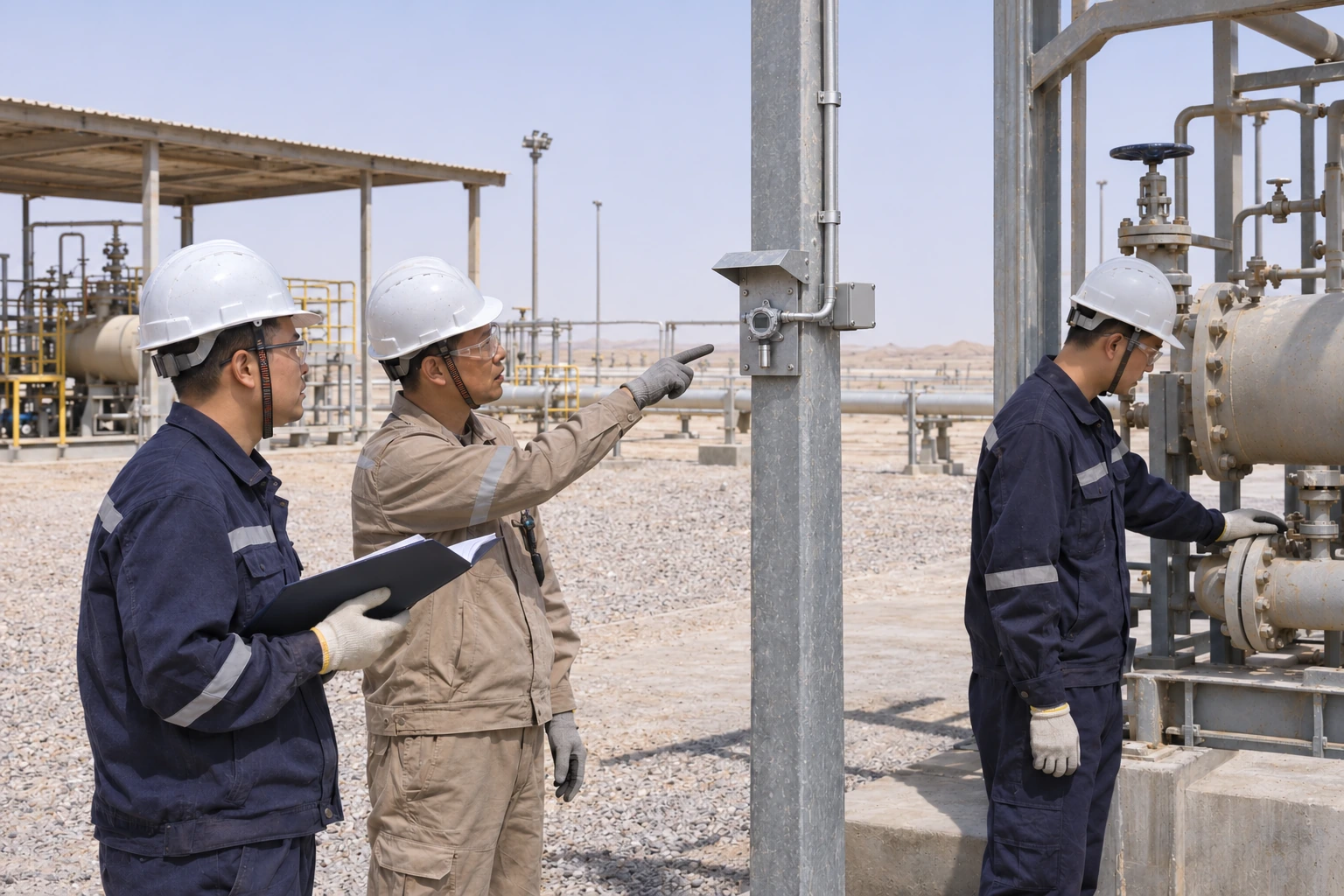
A procurement search for uzbekistan gas detector equipment should begin with the hazards and operating conditions of the proposed facility. Gas processing and chemical projects can involve different combinations of combustible gases, toxic releases and oxygen displacement. A detector suitable for one duty may be unsuitable for another, even within the same plant. For procurement teams evaluating equipment for projects in Uzbekistan, the practical objective is to turn the process risk assessment into a clear purchasing specification, with responsibilities defined for equipment selection, installation, commissioning and maintenance.
Define Detection Duties Before Comparing Suppliers
Start with a location-by-location hazard register prepared with the process and safety teams. Identify the substances handled, credible release points, expected operating conditions and people who could be exposed. Feed composition matters: gas processing duties may involve combustible hydrocarbons, while some streams may also present toxic hazards. Chemical operations require the same substance-specific review. Do not assume that a single combustible gas detector provides coverage for toxic gases or oxygen deficiency.
Translate each identified duty into a detector schedule. Include the target substance, required measurement basis, installation location, environmental conditions and intended alarm response. Separate personnel exposure concerns from flammable atmosphere detection. Where multiple hazards can arise together, document how each will be monitored and how operators should distinguish the resulting alarms. The project engineer should determine alarm thresholds from the risk assessment and applicable requirements, rather than copying settings from an unrelated installation.
Define the boundaries of fixed monitoring as well. A fixed system observes conditions at its installed sensing points; it does not establish that every nearby space is safe. Portable testing, entry procedures and other protective measures may still be necessary. Procurement documents should describe the intended role of the system so suppliers can identify gaps before quotations become purchase orders.
Match Equipment and Locations to the Process
Detector placement should consider release sources, ventilation, obstructions, access and the movement of gas under actual operating conditions. Gas density is one input, but temperature, pressure and airflow can change how a release disperses. Simply placing every detector high or low according to a gas property can leave important areas poorly covered. Request a placement review based on layout drawings and available ventilation information, with assumptions recorded for later verification.
Environmental conditions should be specified for the installation point. Ask the project team for the expected temperature envelope, dust exposure, moisture, washdown practices and possible corrosive contaminants. Outdoor equipment and equipment inside a conditioned enclosure may face very different conditions. For a project in Uzbekistan, establish these requirements from the actual site design basis instead of treating a country name as an equipment specification.
For a combustible gas duty, an ASA combustible gas detector may be evaluated against the approved specification. Confirm the exact target gas and suitability with the supplier. The quotation should identify the offered model and supporting documentation without substituting broad catalog descriptions for the requested duty. Any required approval coverage must be checked against the exact equipment and installation requirements before acceptance.
Accessibility is also part of selection. Allow for inspection, functional testing, calibration and replacement without creating unnecessary maintenance exposure. Where sampling arrangements are proposed, have the supplier and engineer assess their effect on sample transport and maintenance needs. Avoid assuming that equipment can compensate for an unsuitable installation location.
Specify Alarm Handling and Control Interfaces
A procurement package should explain what happens after a detector reports an abnormal condition. Identify where alarms appear, who receives them and which actions require operator intervention. Describe any proposed ventilation, isolation or shutdown interfaces in a cause-and-effect document for engineering review. Detector purchases alone do not establish that an automatic protective action is appropriate or adequately designed.
For centralized monitoring, an ASA AN-3100H gas detection controller can be considered for installation in non-hazardous (safe) areas. Request confirmation of compatibility with the proposed detectors and the project control architecture. Establish the required signal types, power arrangements, cable constraints and fault indications before ordering. Treat interface compatibility as an item to demonstrate during testing.
Specify how the system should communicate loss of power, detector faults and interrupted connections. Operators need to distinguish an unavailable measurement from a normal reading. Agree how maintenance inhibits will be authorized, indicated and removed. Also define which team owns field cabling, panel assembly, alarm devices and integration with the plant control system, since incomplete scope allocation can delay commissioning.
Make Documentation and Acceptance Part of the Order
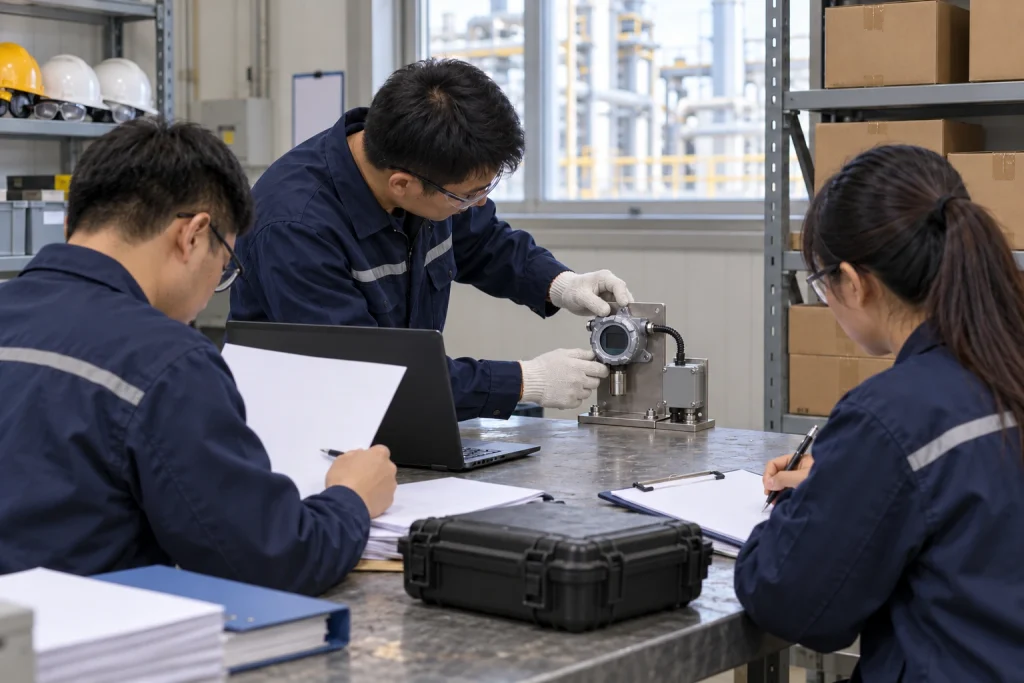
Compare quotations using a common compliance schedule. Ask suppliers to mark each requirement as met, subject to confirmation or excluded, and to describe any deviation. Evaluate installation and operating costs alongside the initial equipment price. Relevant items include calibration supplies, replacement sensing components, service access, training and the availability of technical assistance. Obtain written delivery and support commitments for the particular order.
The document package should connect each supplied item to its intended duty. Request model identification, operating instructions, wiring information, maintenance guidance and the documents required by the project. Agree the language needed by procurement, commissioning and operating personnel. Confirm destination-specific import and acceptance requirements with the responsible local parties before shipment, without assuming that acceptance on another project transfers automatically.
Define acceptance activities before delivery. These may include checking supplied equipment against the order, reviewing configuration records and demonstrating alarm and fault behavior. Site commissioning should verify installed locations, wiring, indications and agreed interfaces under controlled procedures. Record outstanding issues and assign responsibility for closure. Handover should include a maintenance plan and clear ownership of future testing and calibration.
Why ASA
ASA offers gas detectors, dust alarm equipment and gas detection controllers that can be considered when assembling an industrial monitoring package. This product scope gives procurement teams a starting point for discussing detection and alarm requirements together. Share the target gases, detector schedule, site conditions and interface expectations so the proposed equipment can be assessed against the actual project needs.
Use the quotation stage to agree engineering support, documentation responsibilities and response expectations. For an Uzbekistan gas processing or chemical project, contact ASA with your procurement specification to discuss model suitability, outstanding technical questions and the information needed before ordering.
Disclaimer: Product availability, specifications, measuring ranges, alarm configurations and certification coverage vary by model and region. The information in this article is provided for general reference only and does not constitute a performance guarantee, safety assurance or compliance statement. Always refer to the official product documentation and confirm suitability, certification status and local regulatory requirements with our team before selection, installation or use.