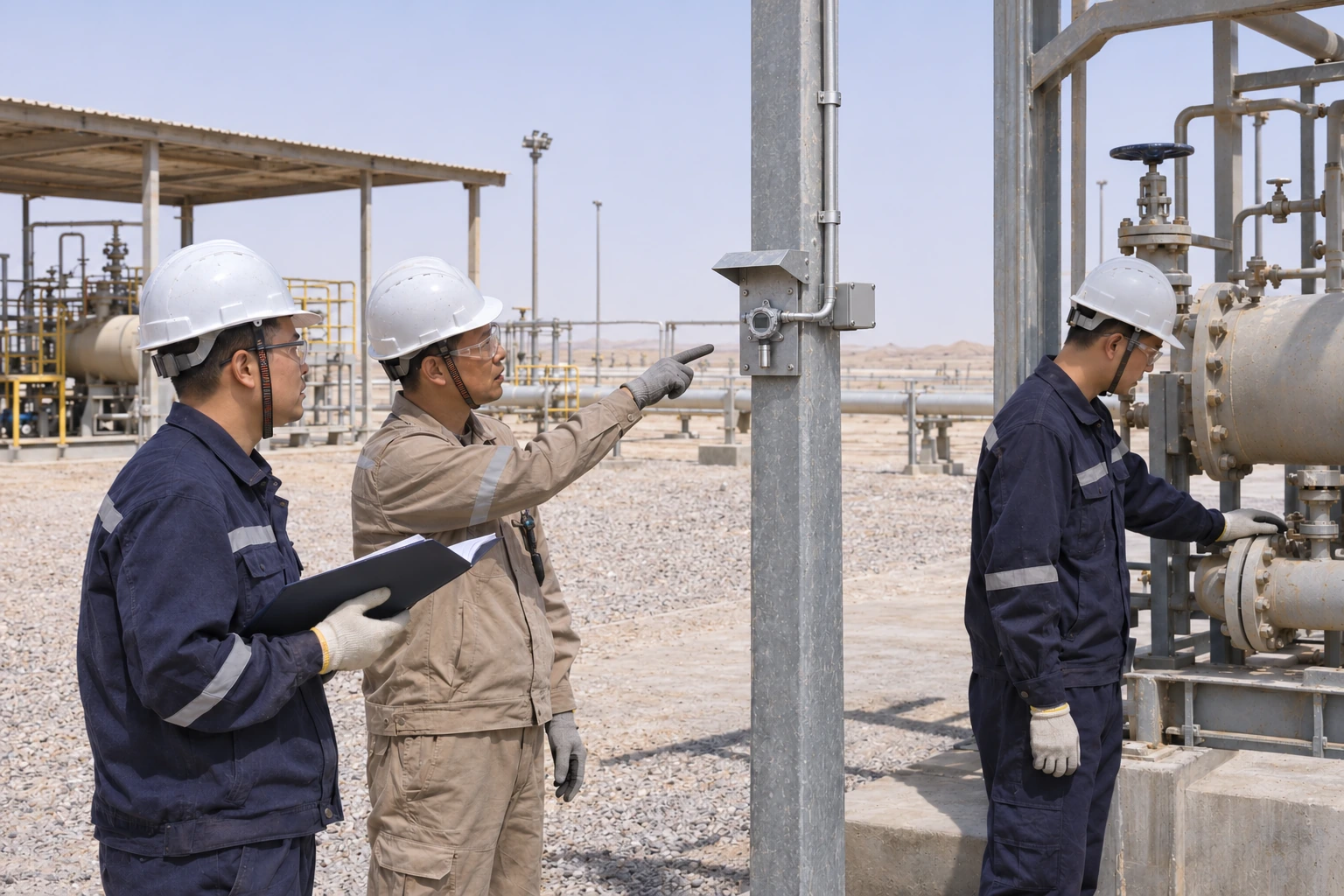
For industrial buyers, uae civil defence approval is an important consideration when planning a gas detection system. A useful starting point is to identify the responsible authority, the intended application and the evidence needed to review the proposed installation. Purchasing detectors alone does not establish project acceptance. Procurement, engineering and installation teams should agree on the submission route before finalizing equipment orders, especially where gas alarms interface with ventilation, fuel isolation or building safety systems.
Define the Approval Scope Before Selecting Equipment
Start with the site location and the work being proposed. A new installation, an extension and a replacement may raise different review questions. Record the building use, gases present, process activities and interfaces with other safety systems. Ask the project consultant to confirm which authority handles each part of the work and which current service requirements apply.
Local responsibilities deserve particular attention. For example, Dubai’s legislation places installation and maintenance of preventive safety systems within Civil Defence oversight and provides for supervision by licensed specialists and technicians. Buyers should check the application of these provisions with their project team. See Dubai Law No. (4) of 2025.
Other approvals may also be relevant. Abu Dhabi’s Department of Energy lists gas system NOC services and material and equipment approval services for specified gas applications. Confirm whether these affect the project alongside Civil Defence requirements, rather than assuming that one submission covers everything. The department’s services and permits page provides the official starting point.
Prepare a Consistent Design and Document Package
Build a submission checklist from the responsible authority’s current instructions. The following items are practical preparation suggestions, not a universal list of mandatory attachments. Assign an owner to each document and use matching project references and revision numbers throughout the package.
- Project information: site address, owner details, intended use, scope of work and the parties responsible for design and installation.
- Design basis: gases to be monitored, credible release locations, environmental conditions and the reasoning behind detector selection and placement.
- Drawings: detector locations, equipment identifiers, controller locations, cable routes and connections to other systems.
- Equipment records: proposed model numbers, manufacturer documentation, installation instructions and any approval evidence specifically requested for the application.
- Control narrative: alarm stages, intended outputs, fault indications, reset behavior and the responsibilities of connected equipment.
- Verification plan: proposed inspection, functional testing, commissioning records and handover documentation.
Check that the equipment schedule matches the drawings and supplier quotation. A substituted detector or changed controller can affect the supporting documentation and interface design. Keep a clear record of substitutions and obtain the necessary review before implementing changes.
Describe the detection objective precisely. Combustible gas monitoring, toxic gas monitoring and oxygen monitoring address different hazards. A general reference to a gas alarm is insufficient to explain what the system is intended to detect and how personnel should respond.
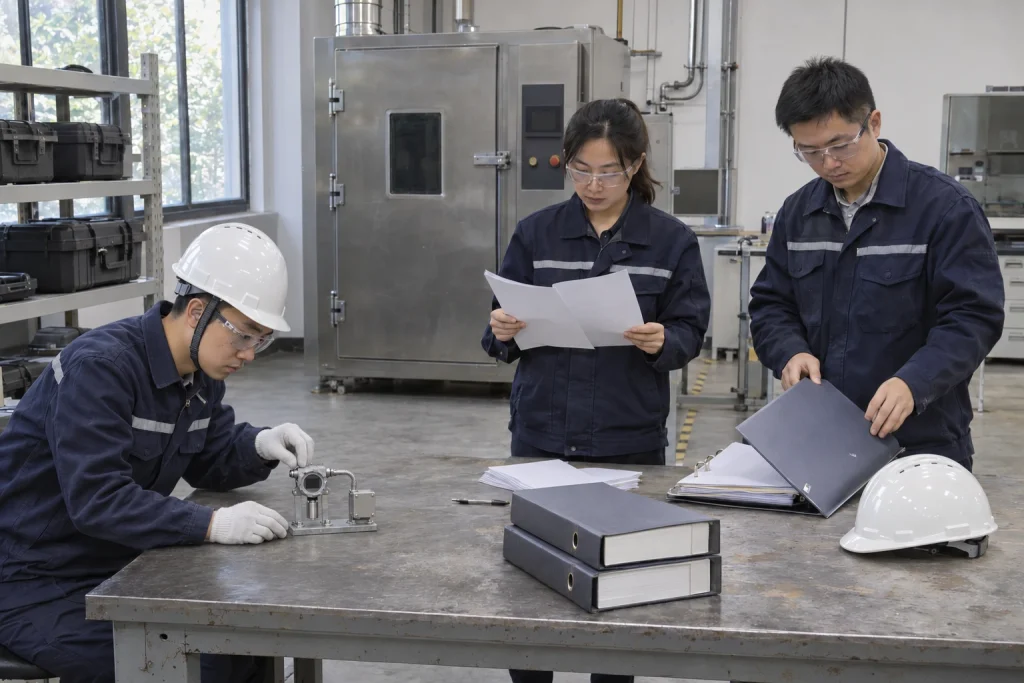
Match System Design to the Actual Hazard
Selection should begin with a site assessment. Consider likely leak sources, ventilation patterns, obstructions, access for servicing and conditions that may affect the sensing method. Gas density is one consideration in positioning, but it should not replace an assessment of release behavior and airflow. Avoid copying detector spacing or mounting arrangements from an unrelated facility.
For a broad review of available equipment types, buyers can examine the ASA gas alarm detector range. Treat this as an initial product comparison. The proposed model still needs to be checked against the design basis, installation conditions and documentation requested by the project team.
Define interfaces through a cause-and-effect schedule. This should describe what each alarm or fault is intended to initiate, which device performs that action and how the outcome will be verified. Ventilation commands, valve operation and signals to other systems should be assessed by the responsible engineers. Do not assume that a relay connection by itself demonstrates an acceptable safety function.
Alarm settings also need a documented basis appropriate to the gas, application and applicable requirements. Include who authorizes settings and how changes are controlled. Avoid adopting a supplier’s default configuration without checking whether it fits the site.
Manage Review, Installation and Handover
Use the following sequence as a planning framework, then adapt it to the confirmed local process. First, agree on submission responsibilities and required evidence. Next, assemble the design package and resolve comments through the designated project representative. Maintain a register showing each comment, the response and the revised document that addresses it.
Before installation, confirm that the equipment being supplied matches the reviewed proposal and that the necessary permissions are in place. During installation, record deviations and raise them for review. Late substitutions and undocumented wiring changes can make it difficult to demonstrate that the completed system matches its design.
Commissioning should follow the applicable project procedures and manufacturer instructions. Plan suitable checks of detector operation, signal transmission, alarm indications and authorized interfaces. Record the test method, equipment identification, results and outstanding actions. Coordinate tests that could operate connected plant with the site team.
Prepare a handover pack containing the final drawings, settings, equipment records, test reports, operating instructions and maintenance arrangements. Confirm the authority’s inspection and completion requirements through the current service channel. Do not promise an approval date, fee or outcome without project-specific confirmation.
Why ASA
ASA offers gas detection, dust alarm and gas alarm controller product lines that may be evaluated against an industrial project’s monitoring needs. Bring the design basis and document checklist into the supplier discussion early so that equipment selection and engineering questions can be addressed together.
Ask about model documentation, interface information and support response arrangements before committing to a schedule. This helps procurement teams identify information gaps while the proposal is still being developed. Contact ASA with your project requirements to discuss equipment options and the documentation available for review.
Disclaimer: Product availability, specifications, measuring ranges, alarm configurations and certification coverage vary by model and region. The information in this article is provided for general reference only and does not constitute a performance guarantee, safety assurance or compliance statement. Always refer to the official product documentation and confirm suitability, certification status and local regulatory requirements with our team before selection, installation or use.