
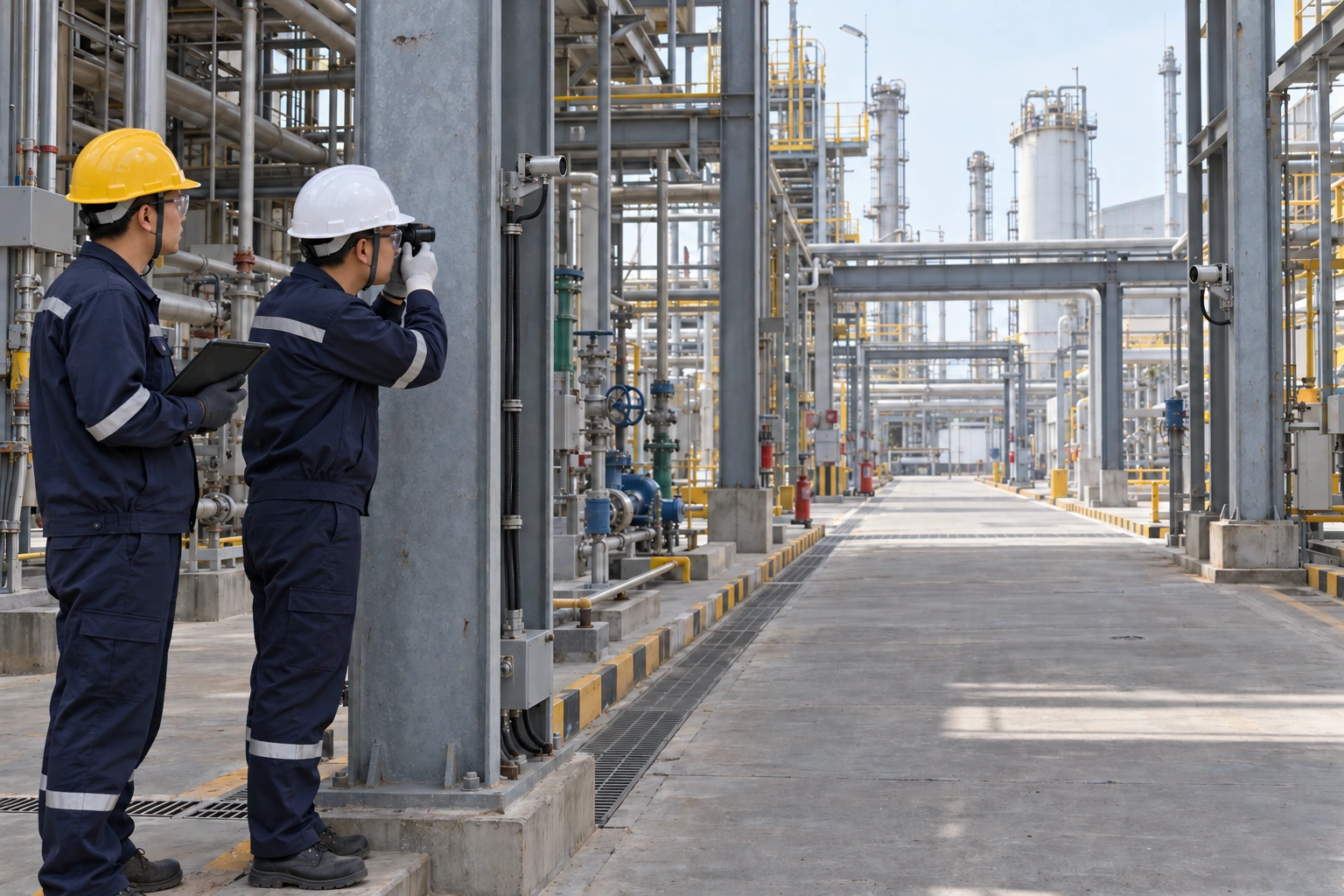
Open-Path vs Point Infrared Gas Detectors: Coverage, Cost and Use Cases
Choosing an open path gas detector starts with a practical question: where could a hazardous gas cloud travel before the site needs to respond? Point

Diffusion vs Sampling Gas Detectors: When to Specify a Pump-Draw System
A sampling vs diffusion detector comparison starts with one practical question: where must the gas be measured, and where can the instrument be installed and

Gas Detection Controller Sizing: How Many Channels Your Site Needs
Choosing gas controller channels starts with a documented list of measurements your site needs to monitor. A room count or a controller’s headline capacity is
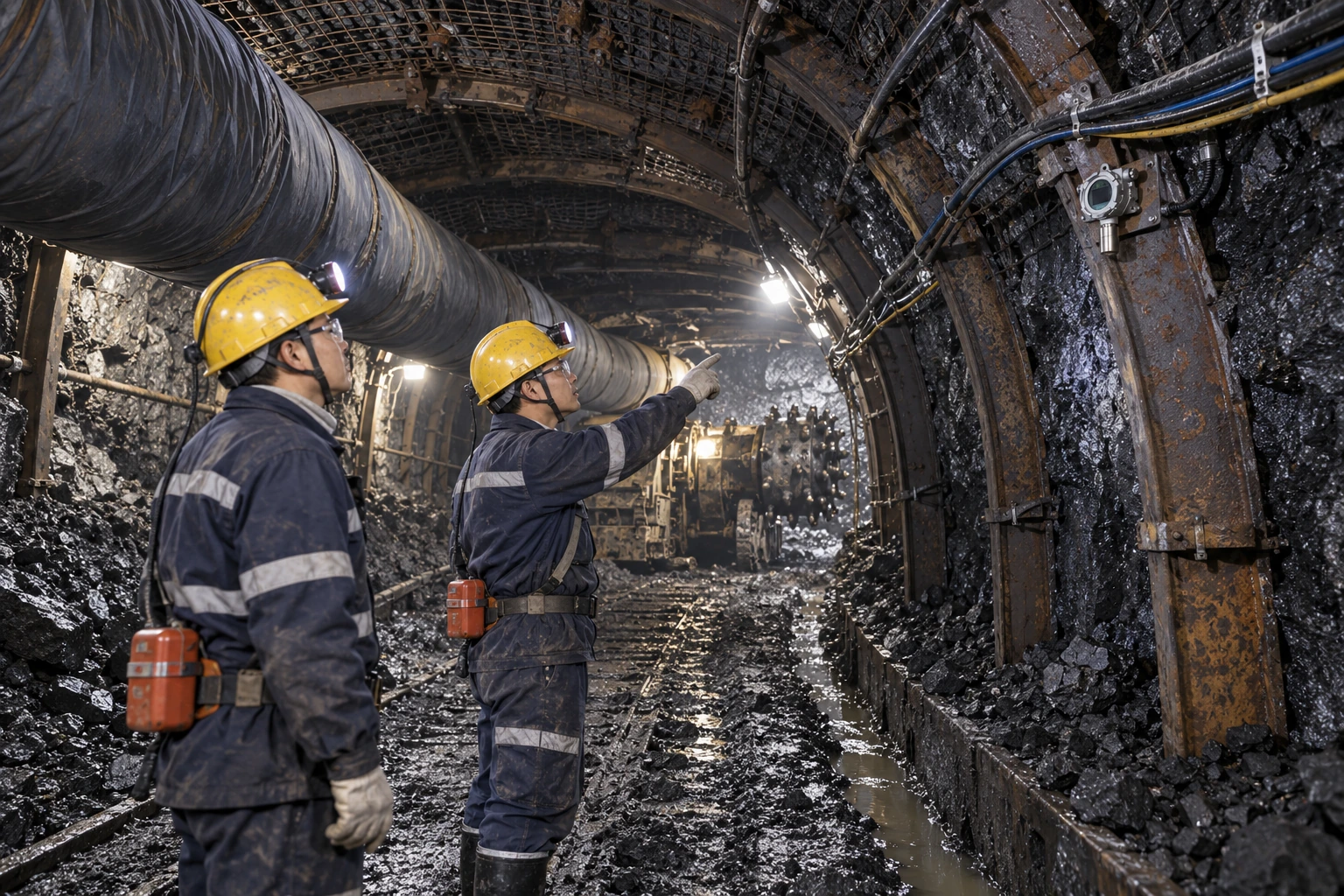
Methane Monitoring in Underground Mines: Headings and Return Airways
Effective mine methane monitoring connects gas readings with the way air moves through an underground mine. A heading needs information about conditions close to an

SIL Ratings in Gas Detection Systems: What SIL 2 Actually Means
For industrial buyers, sil gas detection is a question about the complete protective function, from sensing a hazardous condition to carrying out the required action.

Specifying Gas Detection for EPC Projects in the Middle East
A practical epc gas detection specification connects the process risk assessment with equipment selection, procurement, installation and handover. For engineering, procurement and construction teams working
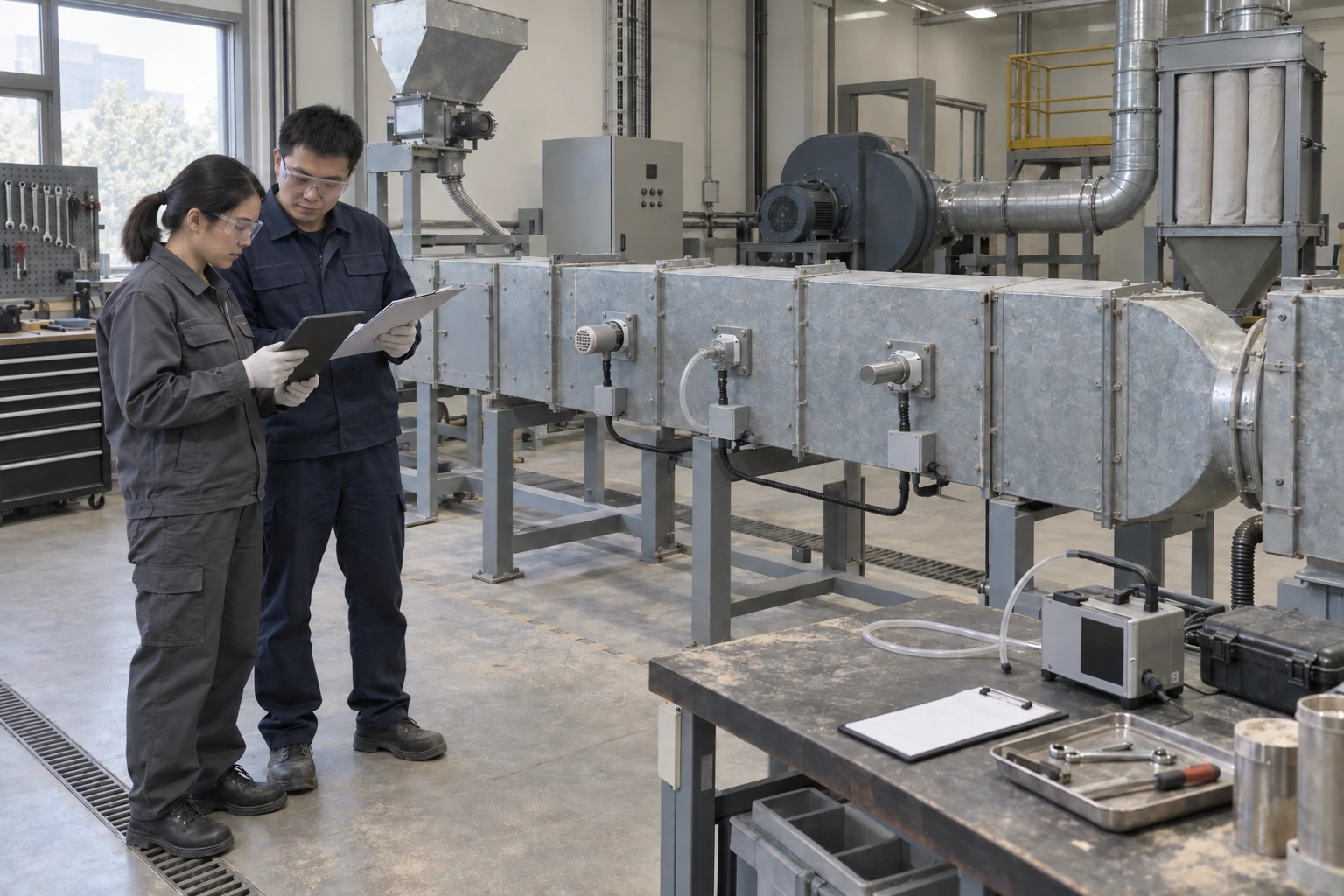
Dust Alarm Detector Selection: Matching Sensor Type to Powder Hazards
Effective dust alarm selection starts with the powder, the process and the decision an alarm must support. A detector used to identify a leaking filter

Hydrogen Leak Detection in Electrolyzer and Fuel Cell Facilities
Effective hydrogen leak detection starts with understanding how hydrogen moves through an electrolyzer or fuel cell facility. For industrial buyers, the task is to connect

EU Indicative Occupational Exposure Limit Values and Alarm Setpoints
For industrial buyers, indicative exposure limits are a starting point for understanding workplace inhalation risks. Turning those references into gas alarm setpoints requires a separate