

Ammonia Detection in Fertilizer Plants: Storage and Loading Areas
Anhydrous ammonia is both a feedstock and a finished product across the fertilizer industry, and it moves through a plant in large quantities: synthesis loops,
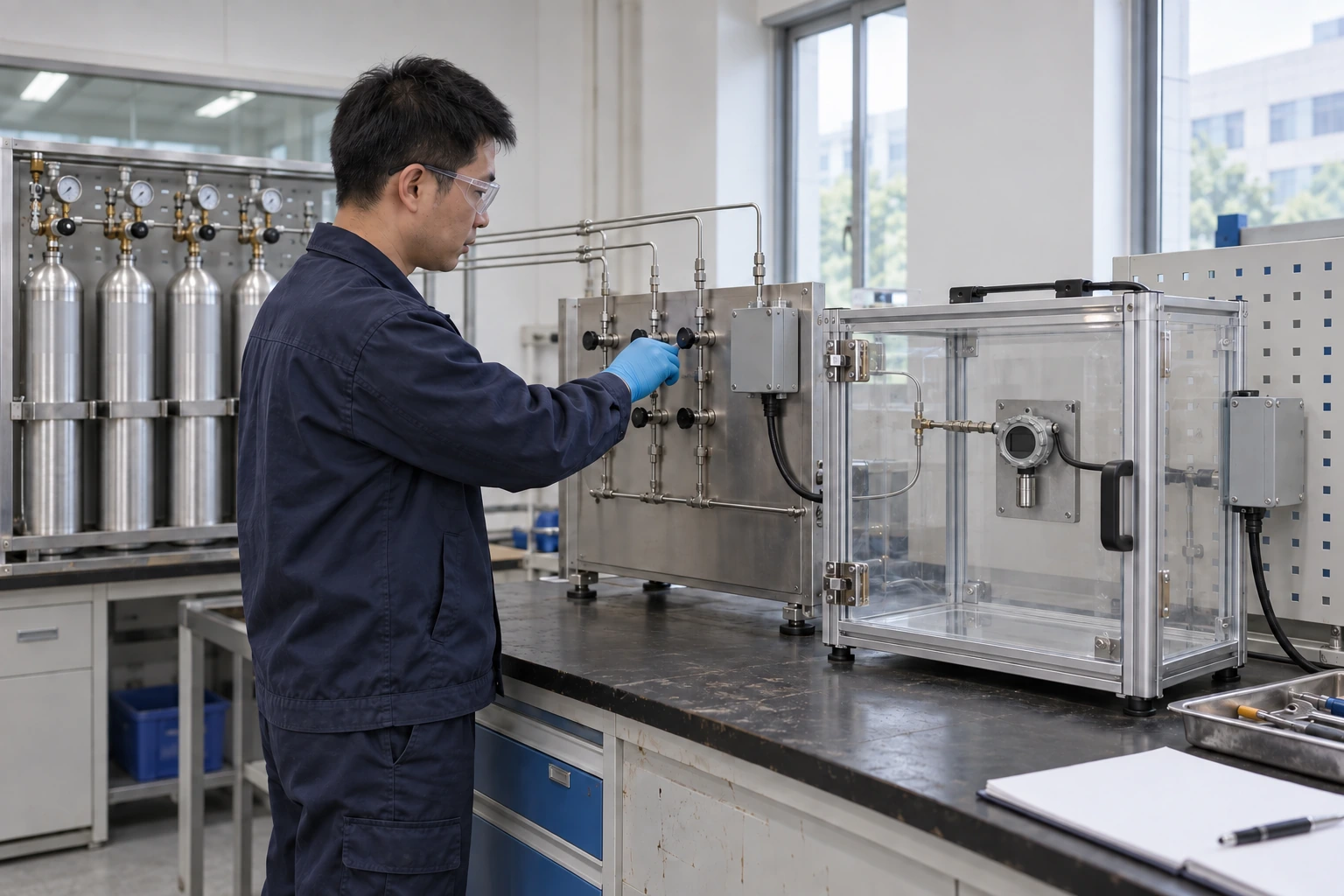
Cross-Interference in Gas Sensors: PID and Electrochemical Examples
Every fixed gas detector answers a simple question by indirect means: how much of one target gas is present in a mixed industrial atmosphere. Sensor
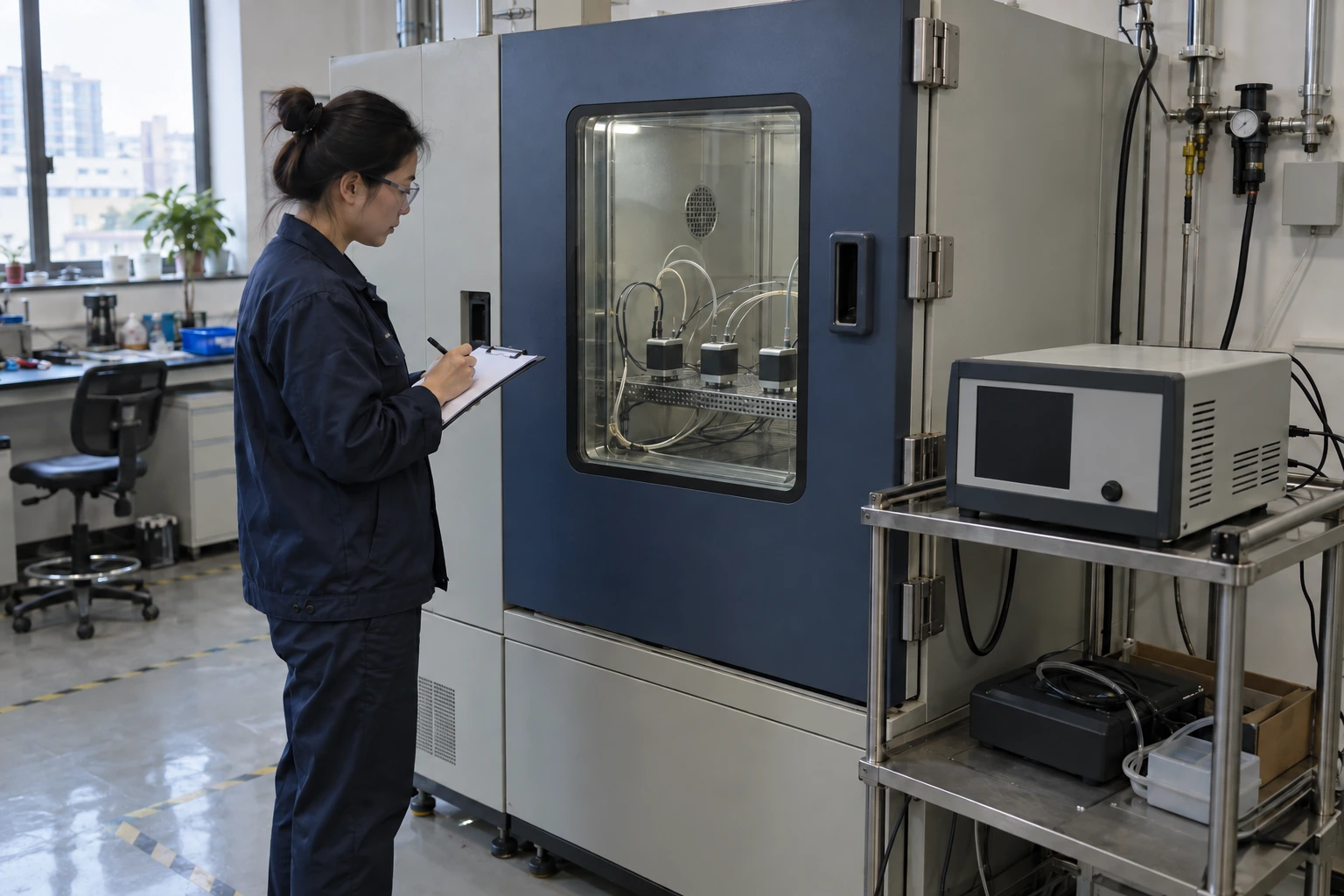
NDIR CO2 Sensors for Fixed Detectors: Range, Accuracy and Drift Explained
Almost every fixed carbon dioxide detector sold into industrial safety is built around an NDIR CO2 sensor – a non-dispersive infrared measuring cell. That follows
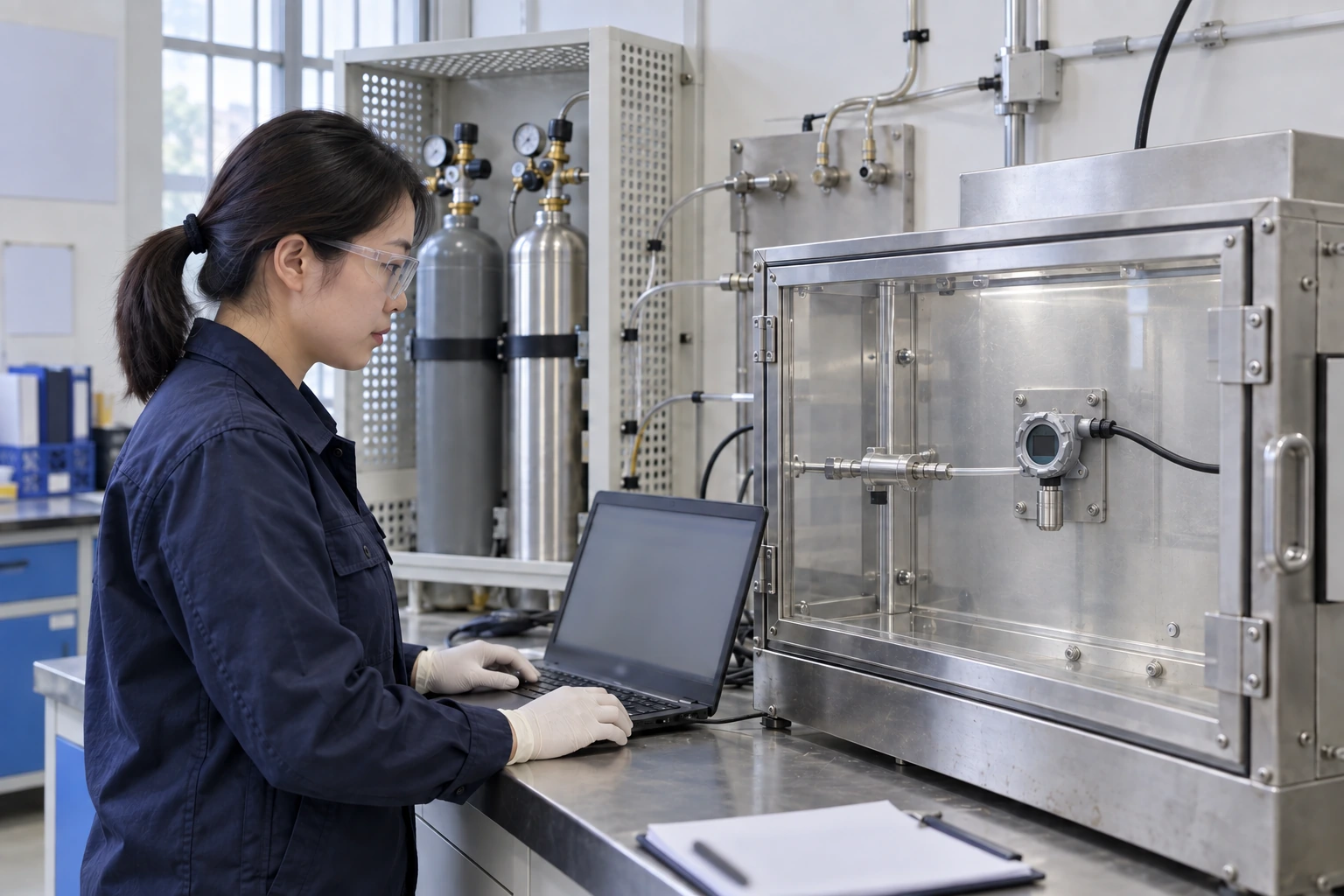
EN 45544 for Toxic Gas Detection Equipment: Performance Classes
When a specification calls for equipment that measures toxic gases and vapours, the European reference that usually appears is the EN 45544 toxic gas series.
Designing Gas Detection for High Ambient Heat in the Gulf Region
Summer conditions across the Gulf put industrial instrumentation under sustained stress that temperate-climate specifications rarely anticipate. Planning high temperature gas detection for refineries, petrochemical plants,

Calibration Gas Basics: Cylinders, Concentrations and Shelf Life
A gas detector is only as trustworthy as the reference it was last checked against. Understanding calibration gas basics – what is inside the cylinder,
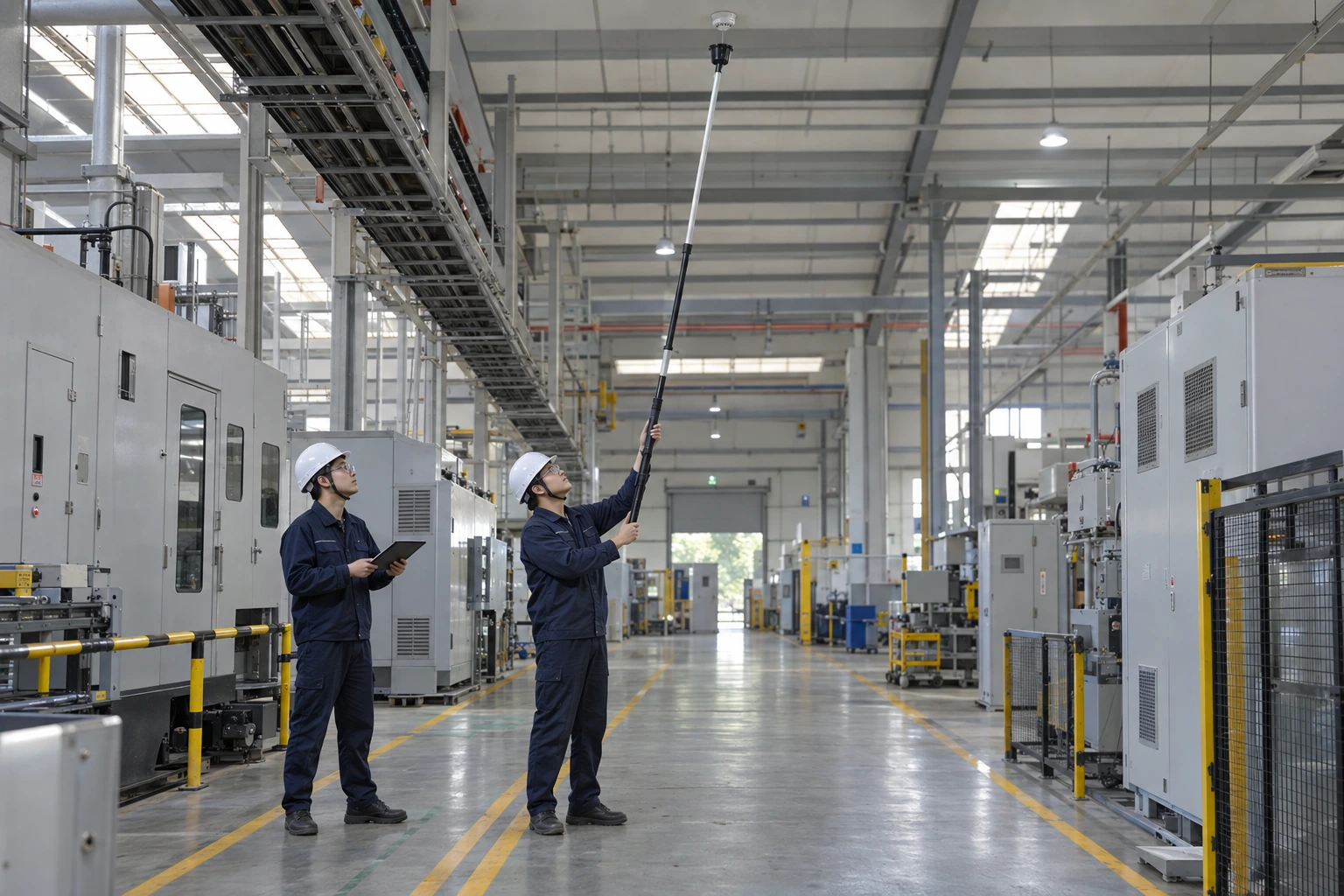
Heat Detectors vs Smoke Detectors in Plants: Which to Specify Where
Choosing between a heat vs smoke detector is one of the first decisions in any industrial fire detection layout, and it is rarely a question
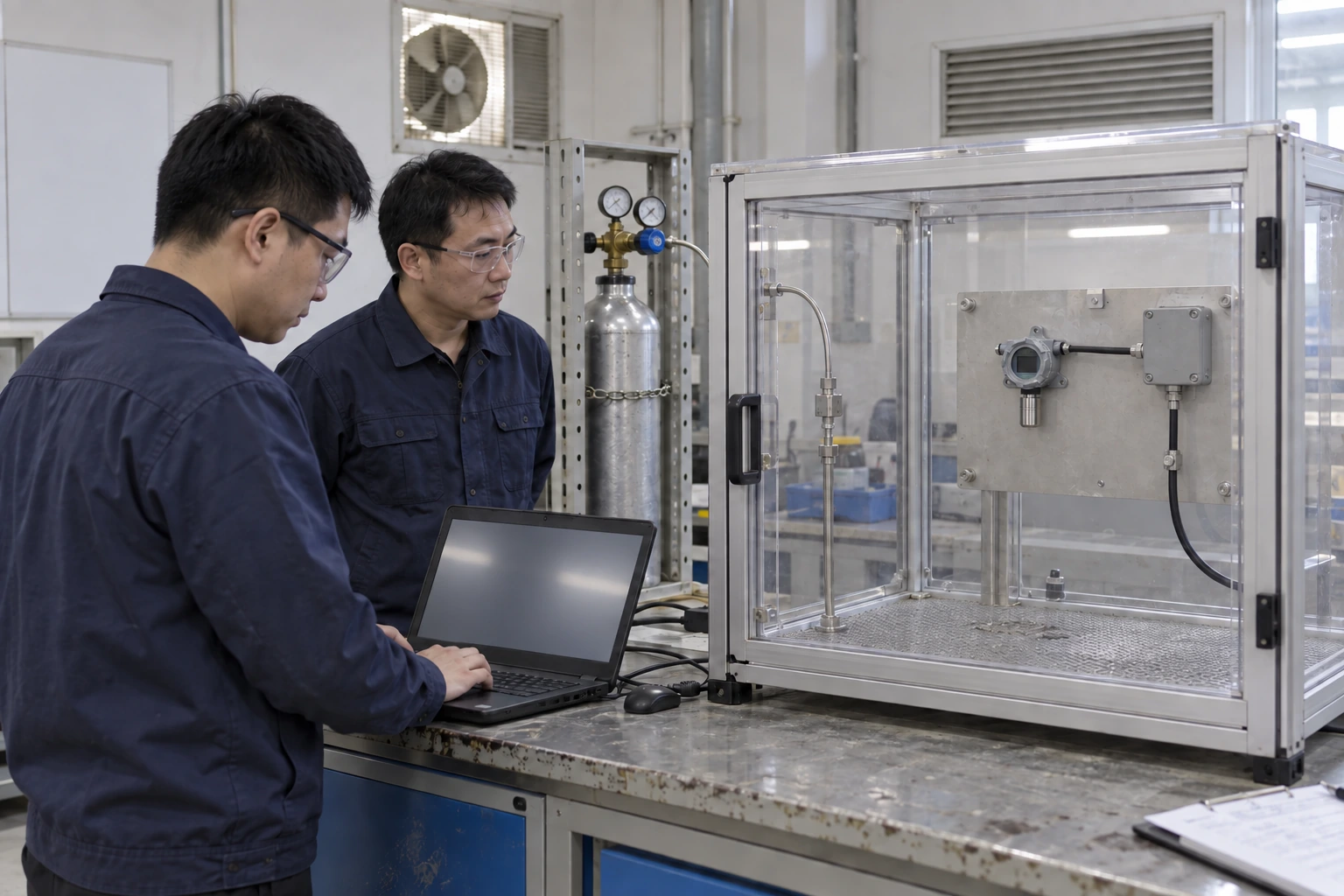
EN 60079-29-1 Explained: Performance Testing of Combustible Detectors
When a flammable gas detector is specified for a refinery, a gas compressor station or a boiler house, two very different questions are often mixed
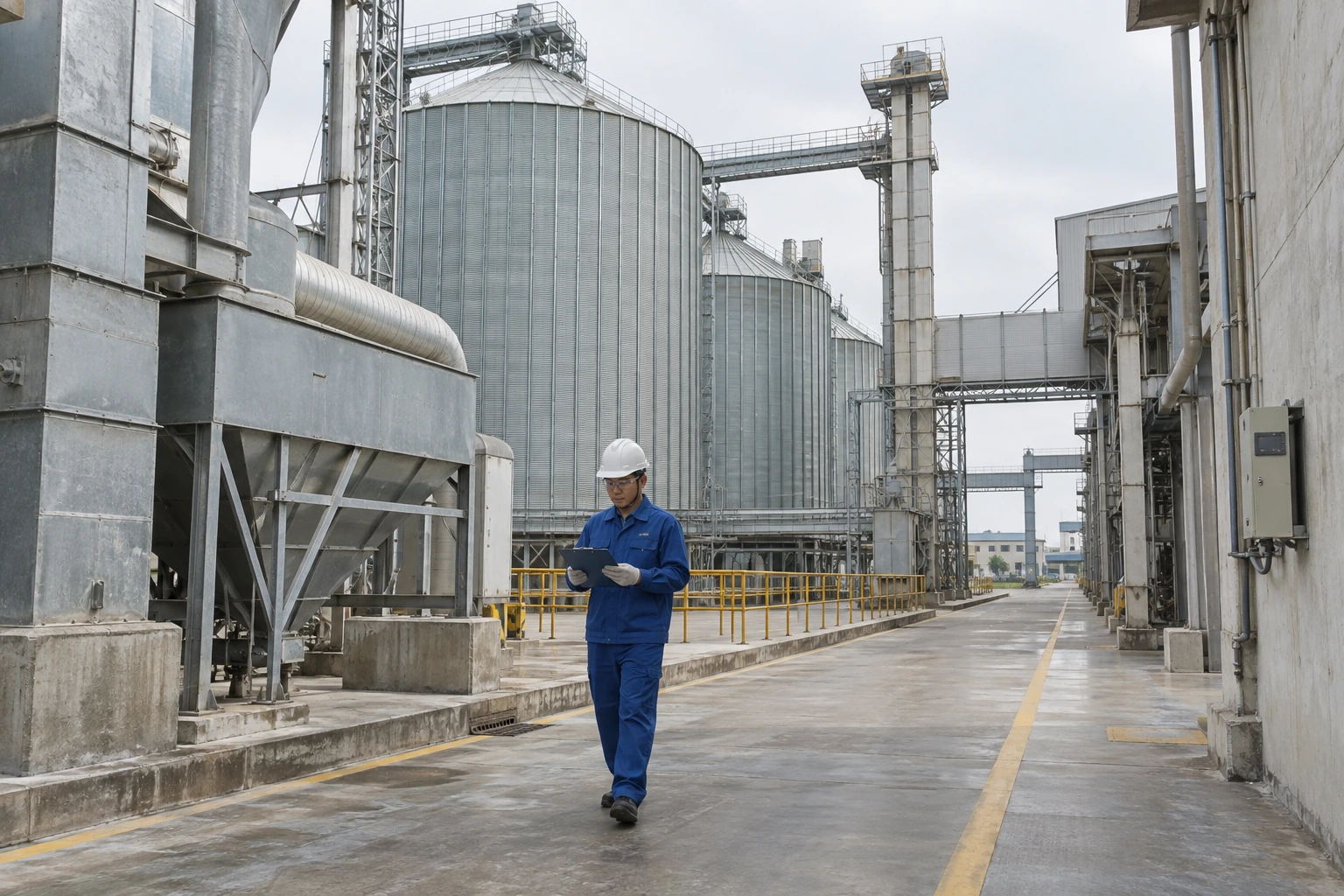
Grain Dust Monitoring in Silos and Feed Mills: Explosion Risk Basics
Grain handling is one of the oldest industries to learn, repeatedly and expensively, that an ordinary agricultural product can behave like a fuel. Grain dust