
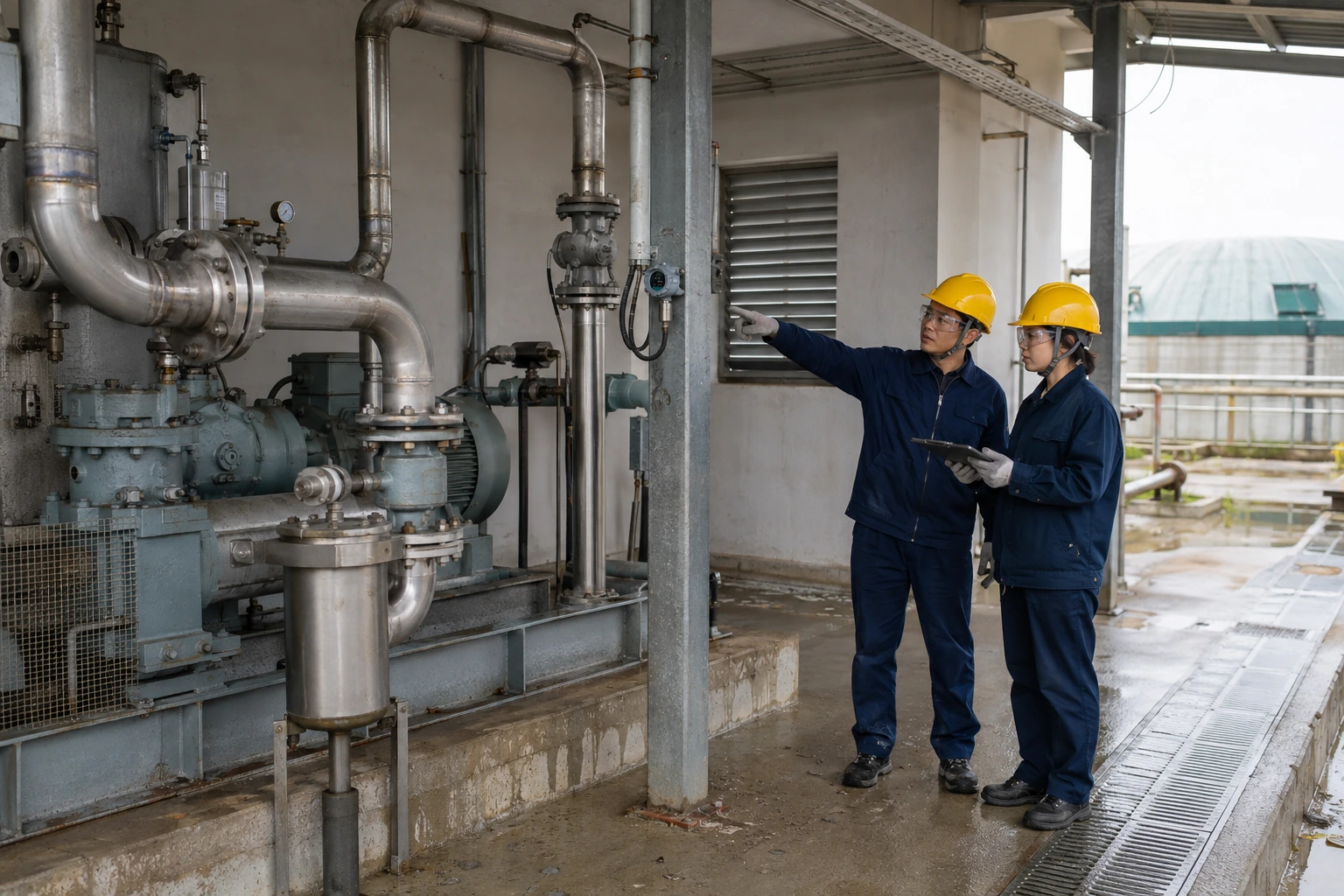
H2S Detector Specification Checklist: Range, Housing and Outputs
Writing a clear h2s detector specification is one of the most effective ways to avoid costly mistakes in an industrial gas detection project. Hydrogen sulfide
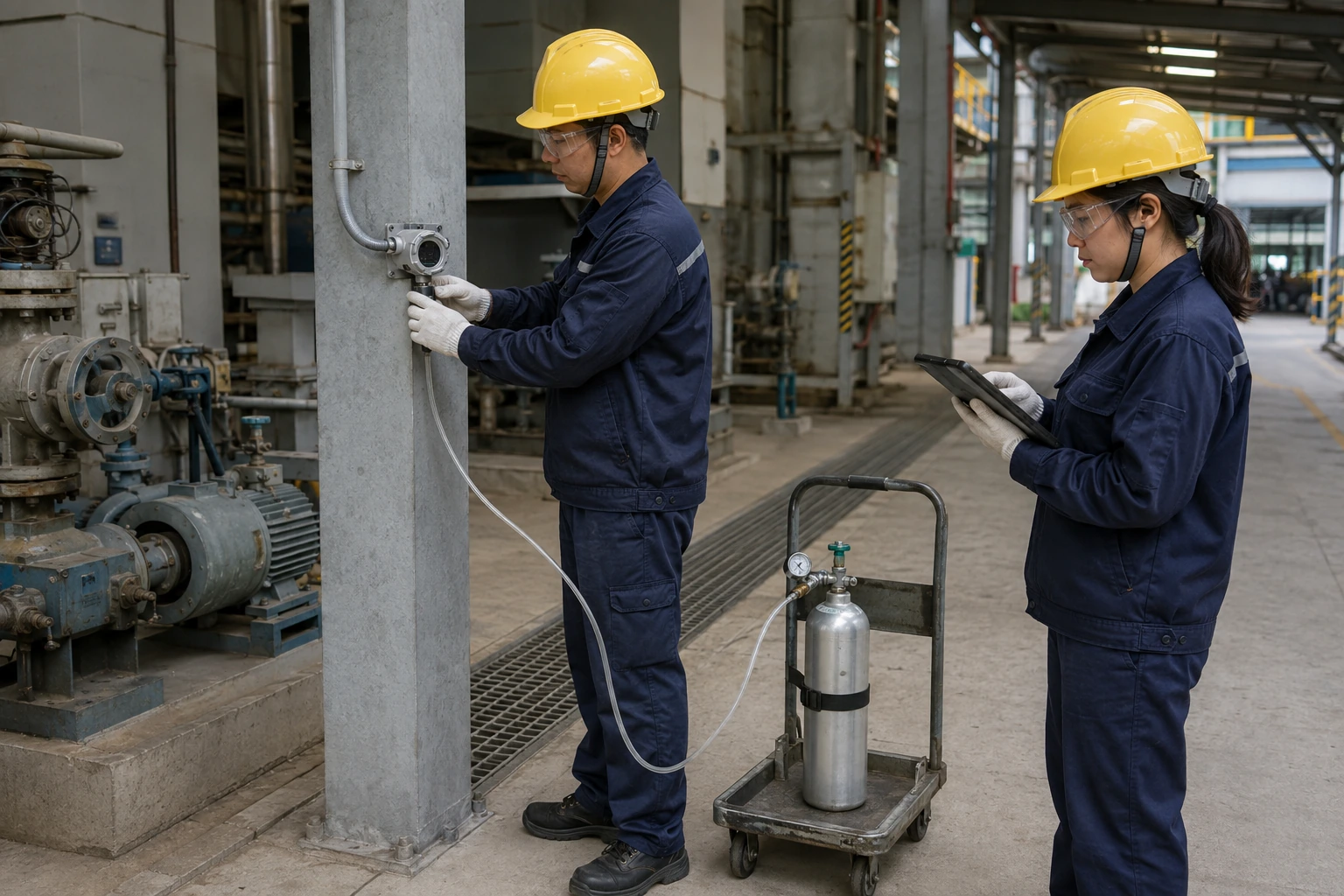
Bump Test Frequency for Fixed Gas Detectors: Building a Schedule
A fixed gas detector that powers up, shows a normal reading and reports no faults can still fail to respond to real gas. Sensor poisoning,
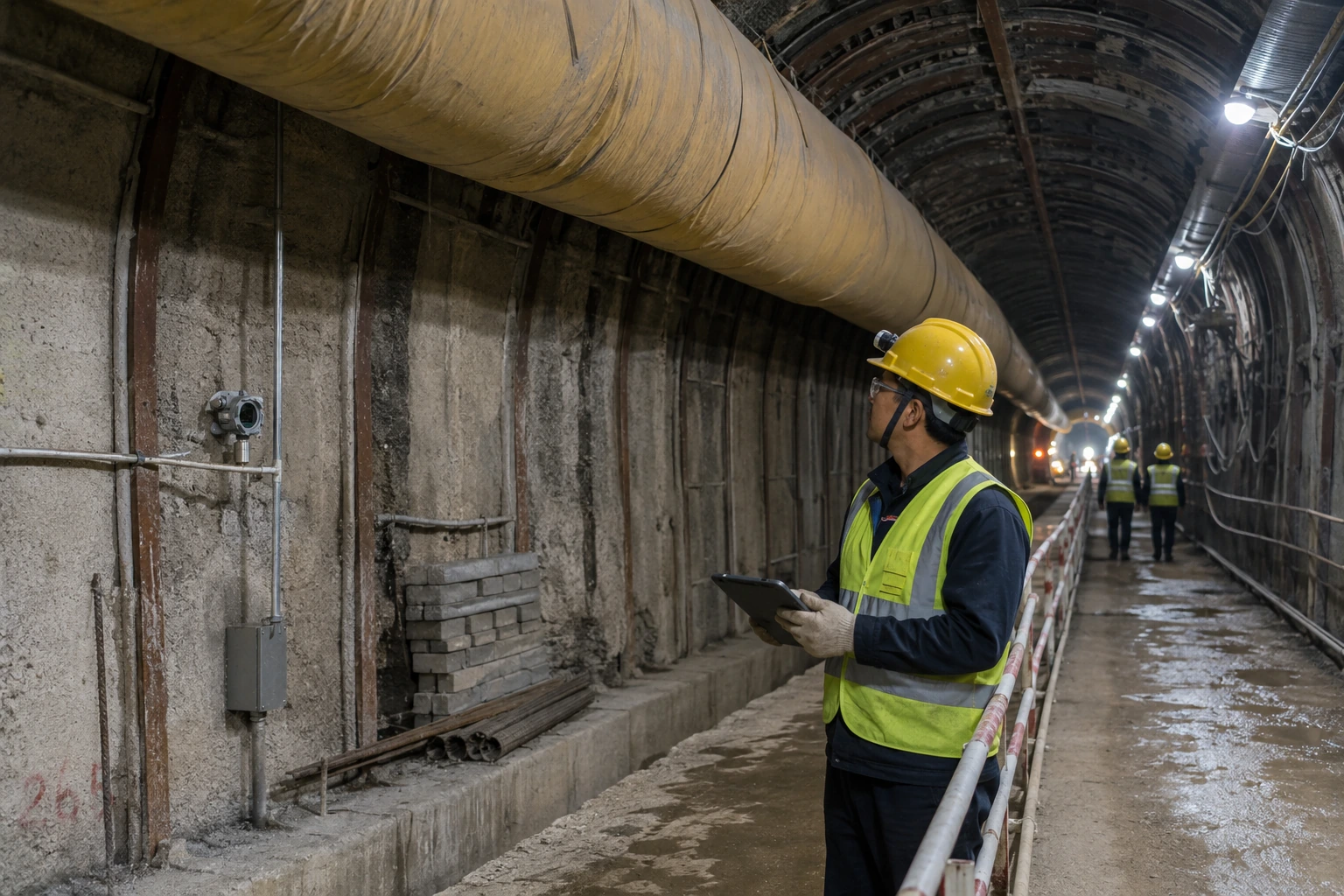
Tunnel Construction Oxygen Monitoring: Shafts, TBMs and Refuge Areas
Underground construction concentrates many of the classic confined space hazards into one continuously changing workplace. Fresh air must be pushed hundreds or thousands of meters
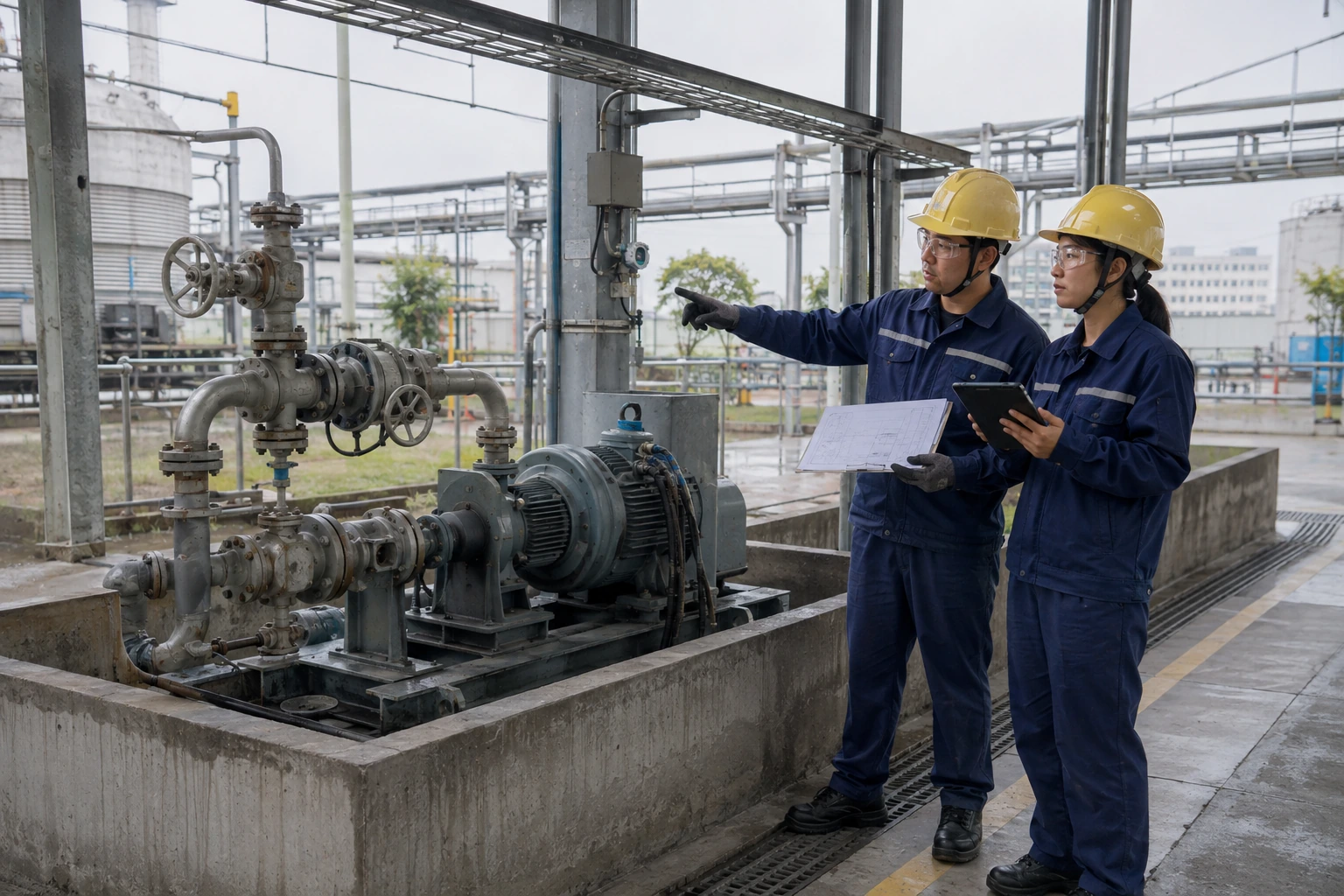
ATEX Zones 0, 1 and 2 Explained: What They Mean for Detector Buyers
If you are sourcing fixed gas detection equipment for a European plant, sooner or later a datasheet, a tender document or a safety consultant will
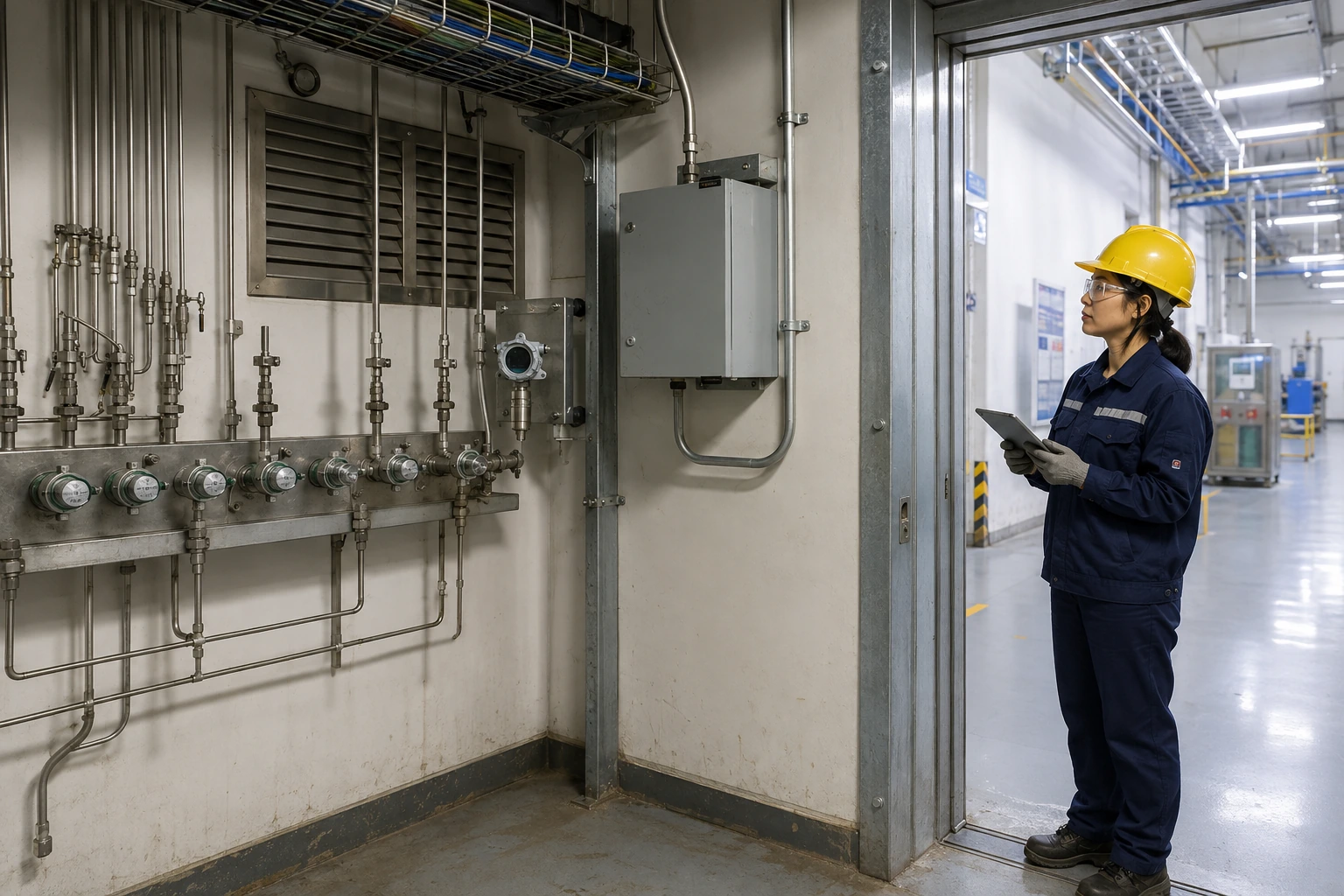
How to Choose a Fixed Oxygen Monitor: Range, Alarms and Sensor Life
Oxygen deficiency is one of the most common and least visible hazards in industrial facilities, from confined spaces and cold storage rooms to laboratories that
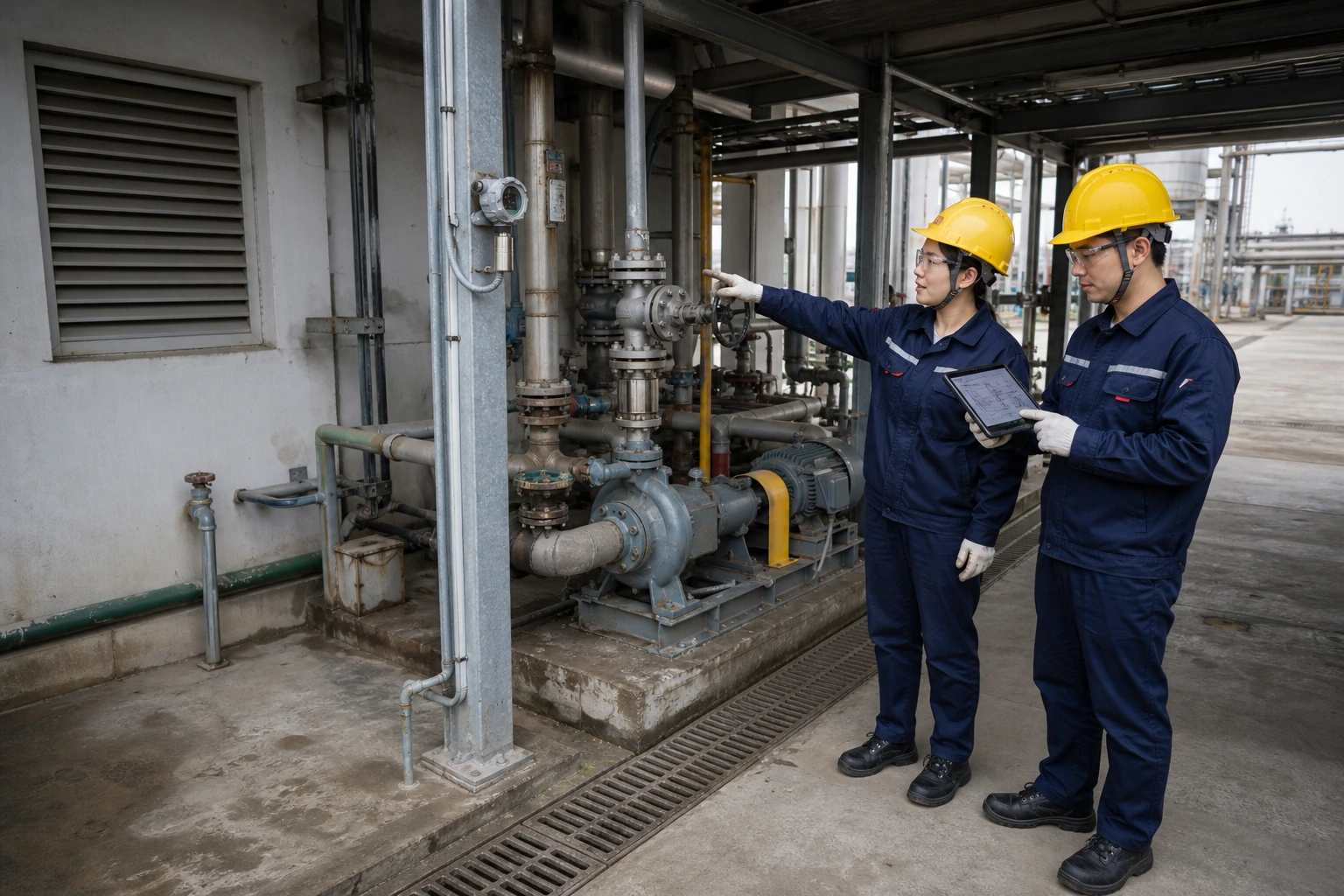
Oxygen vs Toxic vs Combustible: Choosing the Right Detector Mix for Your Site
Most industrial sites do not have a single gas hazard – they have several. A confined space may be short of oxygen, a process area
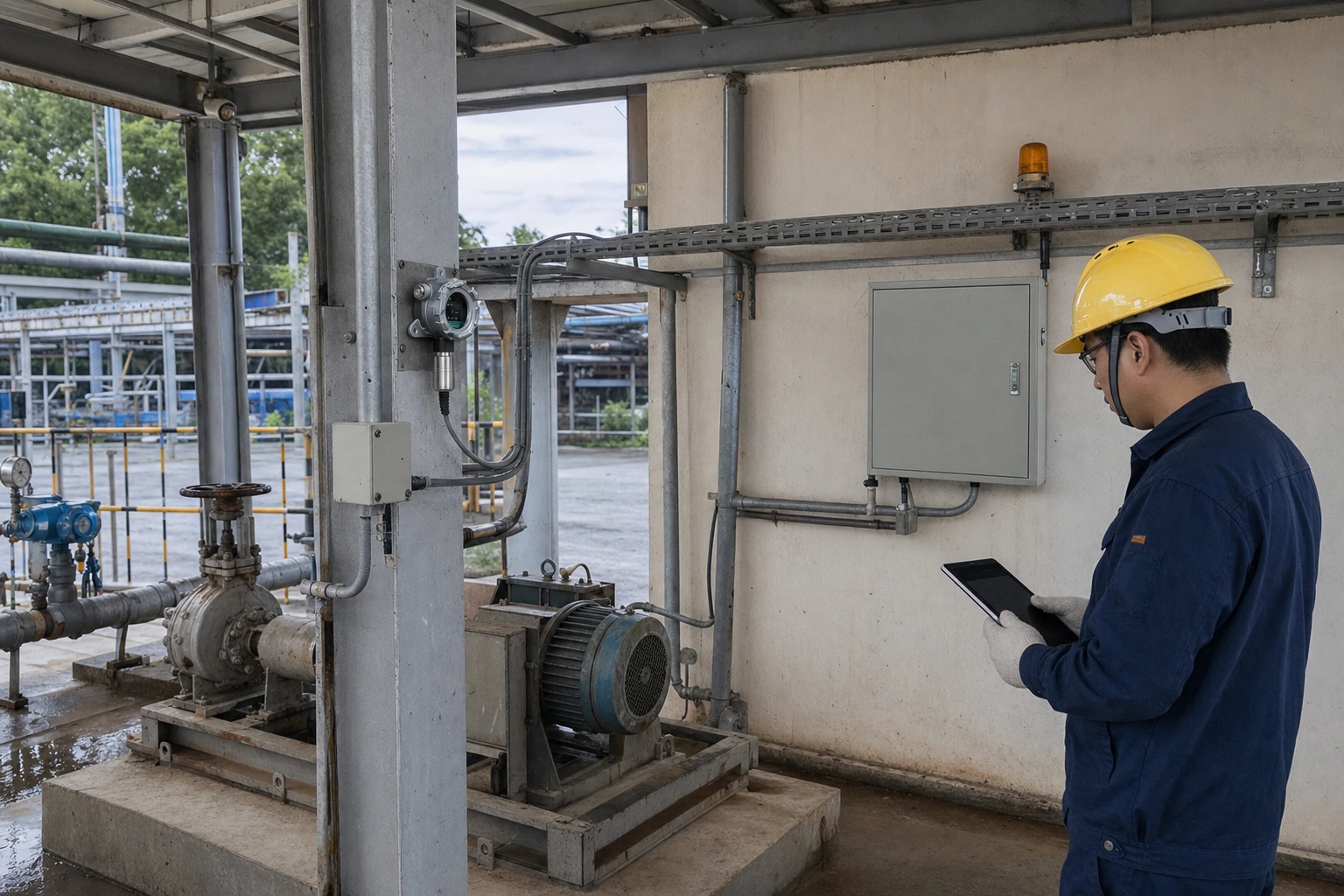
Building a Complete Gas Detection System: Detectors, Controller and Alarms
Specifying a complete gas detection system involves more than picking a sensor for each gas. A fixed installation that protects an industrial site is a
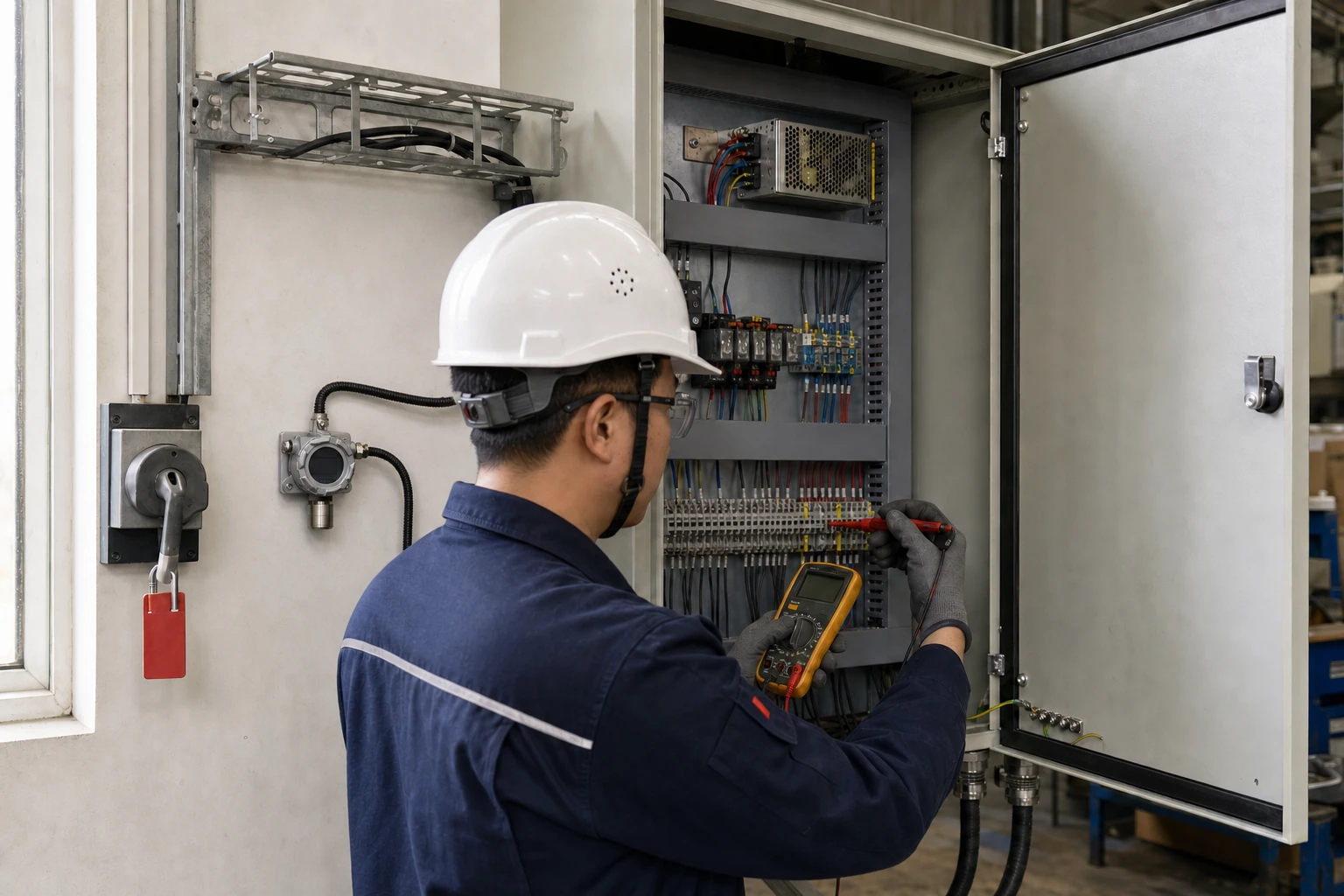
Wiring Gas Detectors to a Controller: 4-20mA Loops in Practice
A fixed gas detection system is only as dependable as the connection between its field detectors and the control panel. In practice, most installation problems
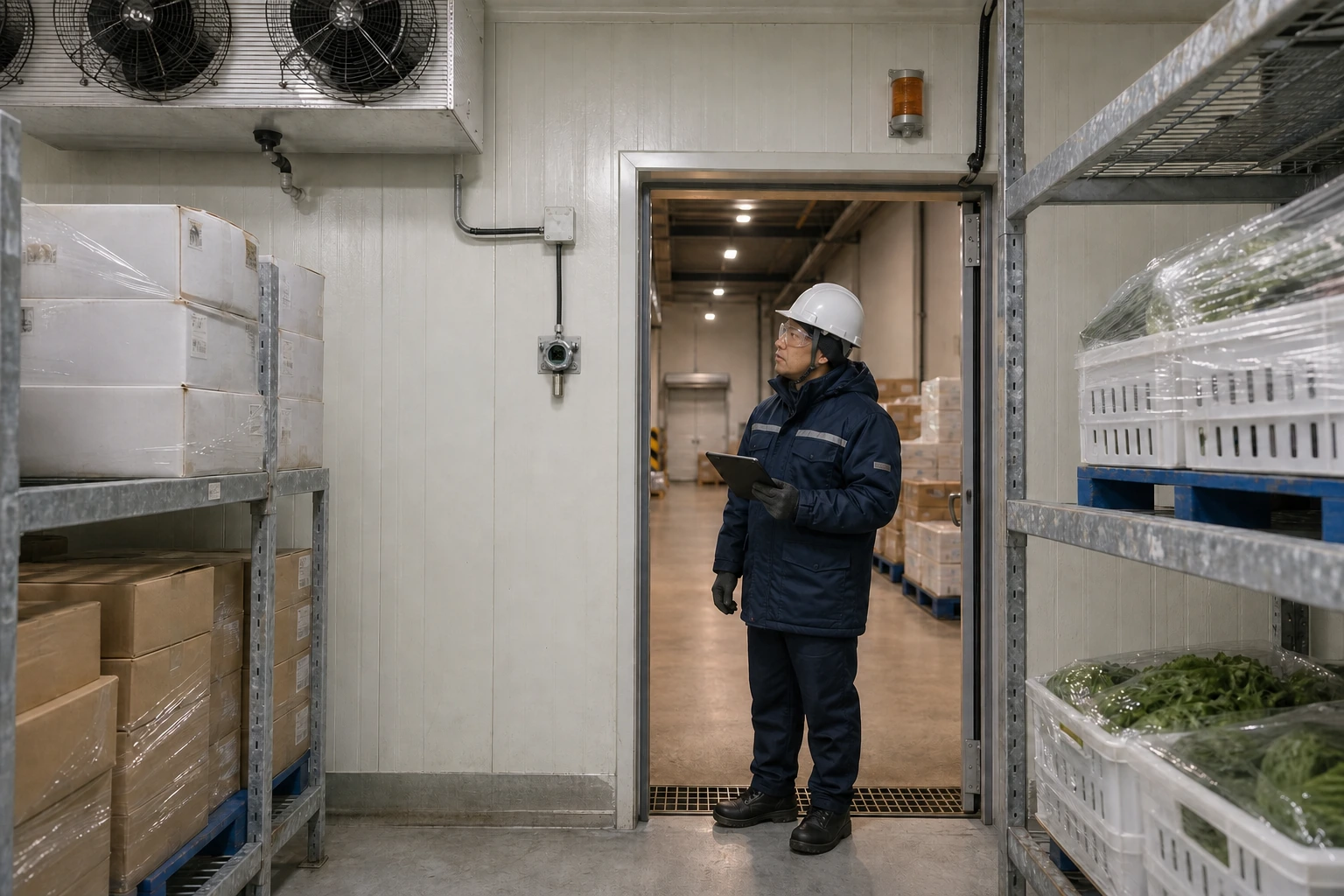
O2 Depletion in Cold Rooms and Labs: Why Oxygen Monitoring Matters
Cold rooms, walk-in freezers and research laboratories share a hazard that is easy to overlook: the air inside them can quietly lose its oxygen. Because